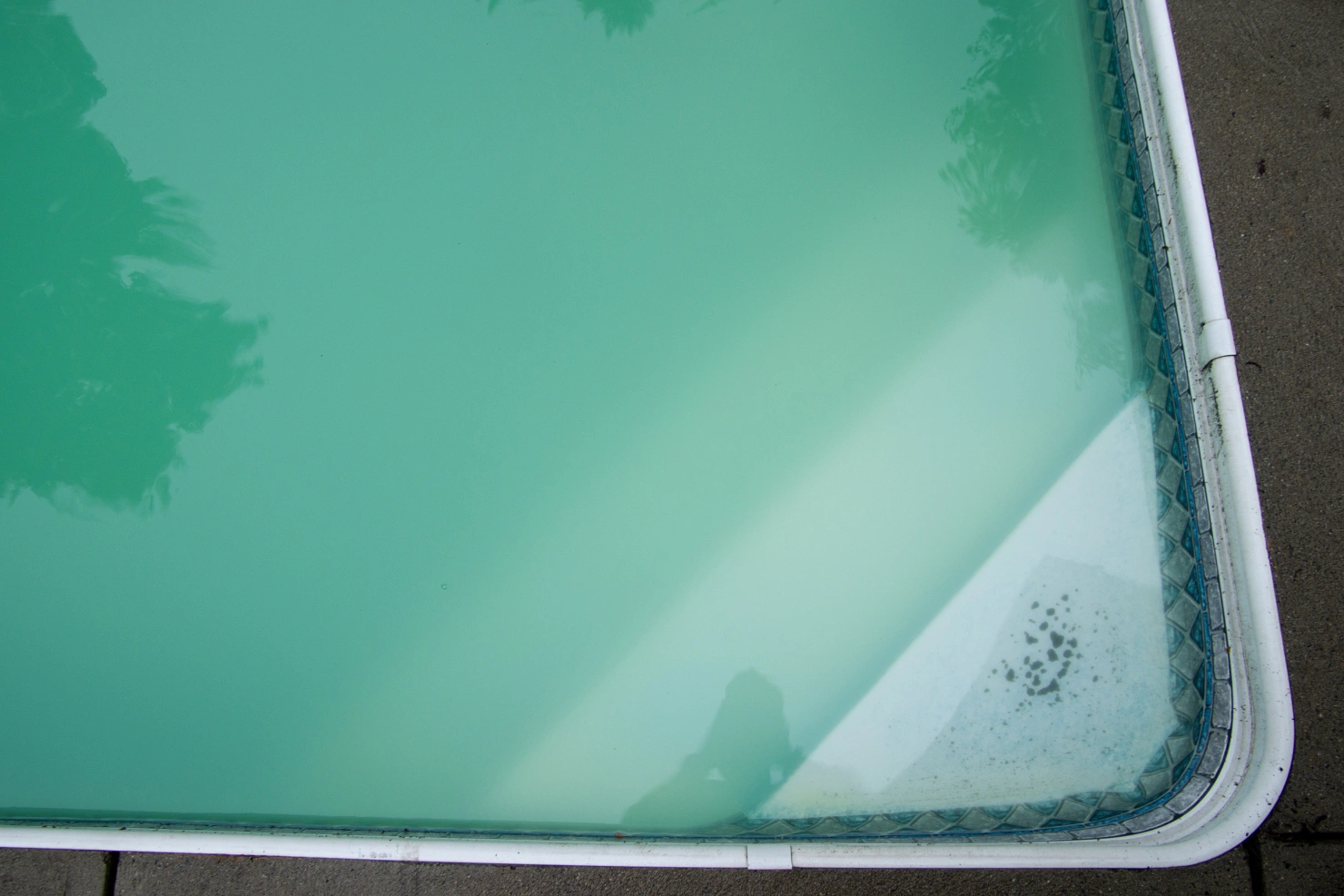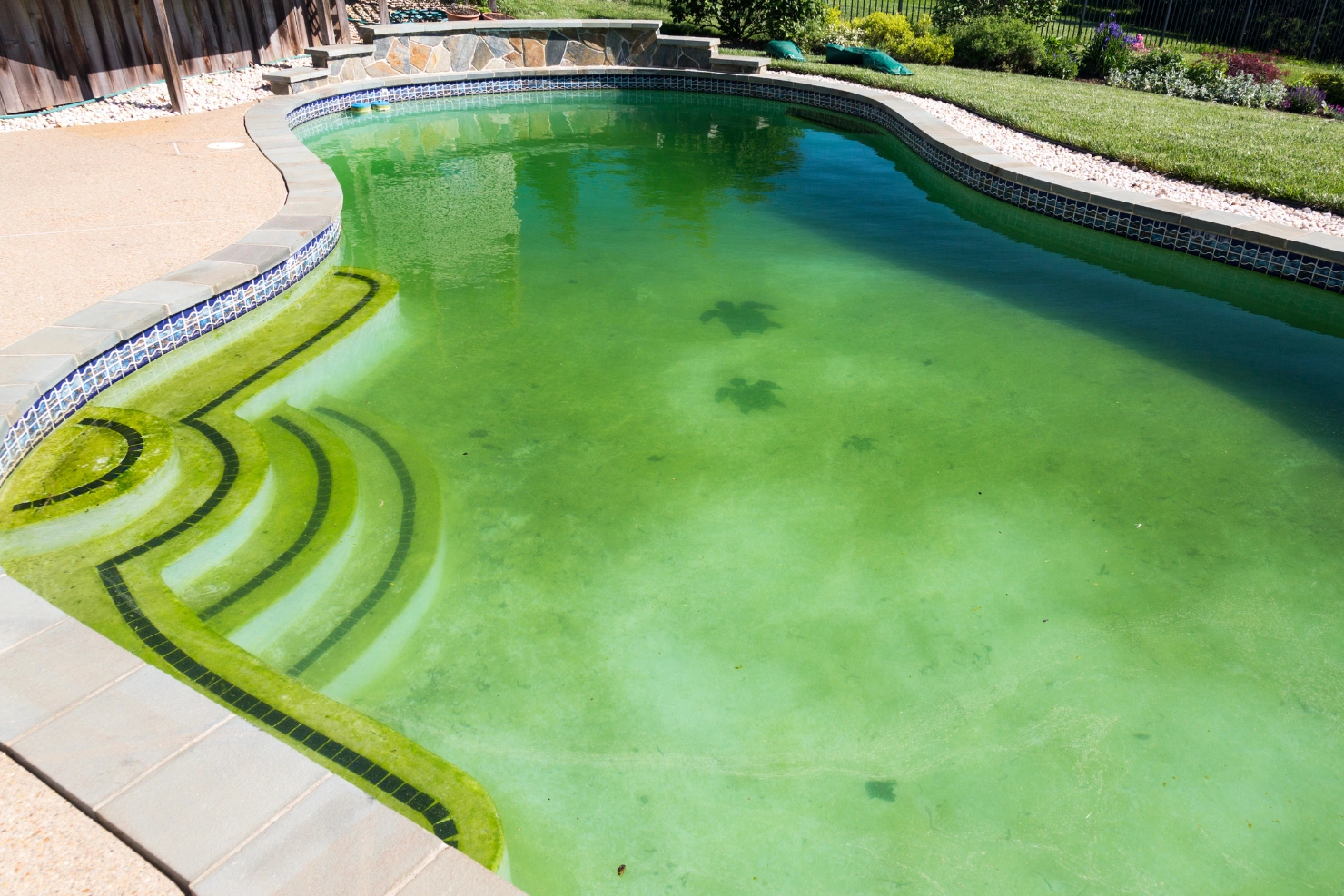
Cloudy Saltwater Pools Are Often an Equipment Problem, Not Chemistry
Cloudy water in a saltwater pool often leads homeowners to add more chemicals, adjust the pH, or shock the water repeatedly.
“But what happens when the real problem is not the water chemistry at all?”
A scaled salt cell, incorrect salinity reading, restricted water flow, or failing chlorine generator can prevent the system from producing enough sanitizer.
Identifying the equipment issue early helps restore clear water, prevent algae growth, and avoid unnecessary chemical treatments. For homeowners across DC, Maryland, and Northern Virginia, a complete saltwater system inspection can reveal problems that routine water testing may miss.
Key Takeaways
- Cloudy water may signal equipment failure.
- Salt cells require regular inspection and cleaning.
- Poor circulation reduces effective chlorine production.
- Independent testing prevents unnecessary salt additions.
- Professional diagnostics eliminate costly repair guesswork.
Saltwater Pools Still Need Chlorine

A saltwater pool is still a chlorine pool. The main difference is how the chlorine enters the water.
Instead of adding most chlorine manually, the system uses a salt cell to convert dissolved salt into chlorine through electrolysis. The chlorine sanitizes the pool, then changes back into chloride and continues through the cycle.
Chlorine Production Basics
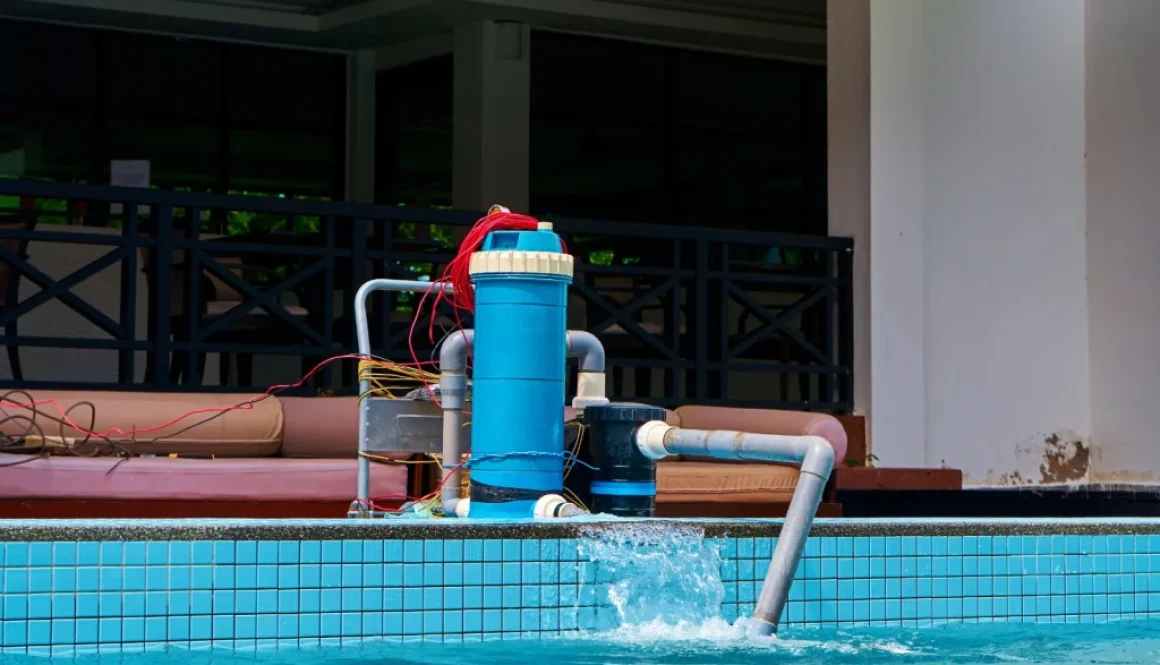
Pool water flows through the salt cell while the circulation system is running. An electrical current passes across coated metal plates inside the cell, creating chlorine from the salt in the water.
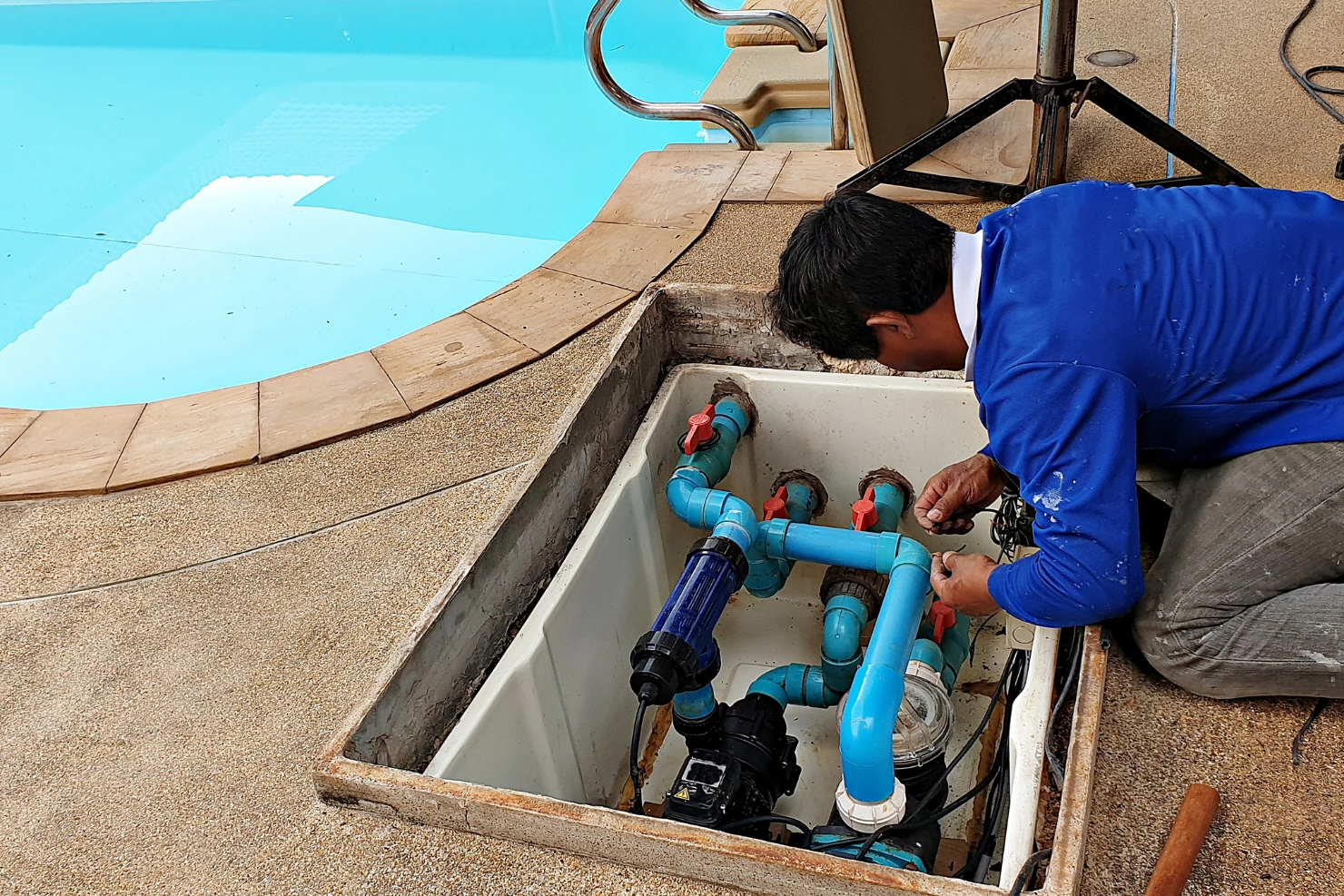
The generator must receive proper water flow, accurate sensor readings, and stable electrical output. A failure in any of these areas can reduce chlorine production even when the control panel appears to be operating.
Changing Chlorine Demand
A generator may be working but still fail to meet the pool’s current chlorine demand. Hot weather, direct sunlight, heavy swimmer use, rain, leaves, and organic debris can all increase the amount of sanitizer the pool needs.
The system output percentage and pump run time may need seasonal adjustments. However, a sudden or persistent loss of chlorine can point to a mechanical or electrical problem.
Signs the Equipment May Be Responsible
Cloudy water alone does not identify the cause. A combination of symptoms provides a better picture of what is happening inside the system.
Common signs of a saltwater equipment problem include:
- Free chlorine remains low after output adjustments
- Cloudiness returns soon after chemical treatment
- The generator displays “low salt” or “inspect cell”
- The pool needs frequent manual chlorine additions
- White scale covers the salt cell plates
- Return flow feels weaker than normal
- The generator shuts down during operation
- Algae develops despite acceptable salt readings
- The cell appears active but produces little chlorine
A single warning may have a simple explanation. Repeated warnings, low chlorine, and ongoing cloudy water usually call for a full system check.
Common Equipment Problems Behind Cloudy Water
Several components work together to produce and distribute chlorine. A fault in one component can affect the performance of the entire pool.
Scaled Salt Cells
Calcium scale can form on the metal plates inside the salt cell. This buildup creates a barrier that interferes with the electrolysis process and reduces chlorine output.
Scale is more likely when pH, total alkalinity, or calcium hardness remains high. Saltwater systems can also cause the pH to rise gradually, making routine testing important.
Cell cleaning should follow the manufacturer’s directions. Excessive acid cleaning can damage the plate coating and shorten the cell’s usable life.
Worn Salt Cells
Salt cells do not last indefinitely. Their coated plates wear down over time, reducing the cell’s ability to produce chlorine.
A worn cell may look clean but still perform poorly. Testing its amperage, voltage, output, and chlorine production can help determine whether cleaning or replacement is appropriate.
Flow Switch Failure
Most generators include a flow switch or sensor that confirms water is moving through the cell. If the system detects insufficient flow, it may stop chlorine production to protect the equipment.
Dirty filters, clogged baskets, low pump speed, air leaks, closed valves, or a failing flow switch can all trigger flow-related shutdowns. The display may show a flow warning even when the pump appears to be running.
Control Board Problems
The control board manages cell power, output settings, warning lights, and sensor information. A damaged board can misread salt levels, fail to power the cell, or display inaccurate diagnostic messages.
Control board problems require proper electrical testing. Replacing a cell without checking the board can lead to unnecessary costs if the cell was not the original cause.
Water Flow Affects Chlorine Production
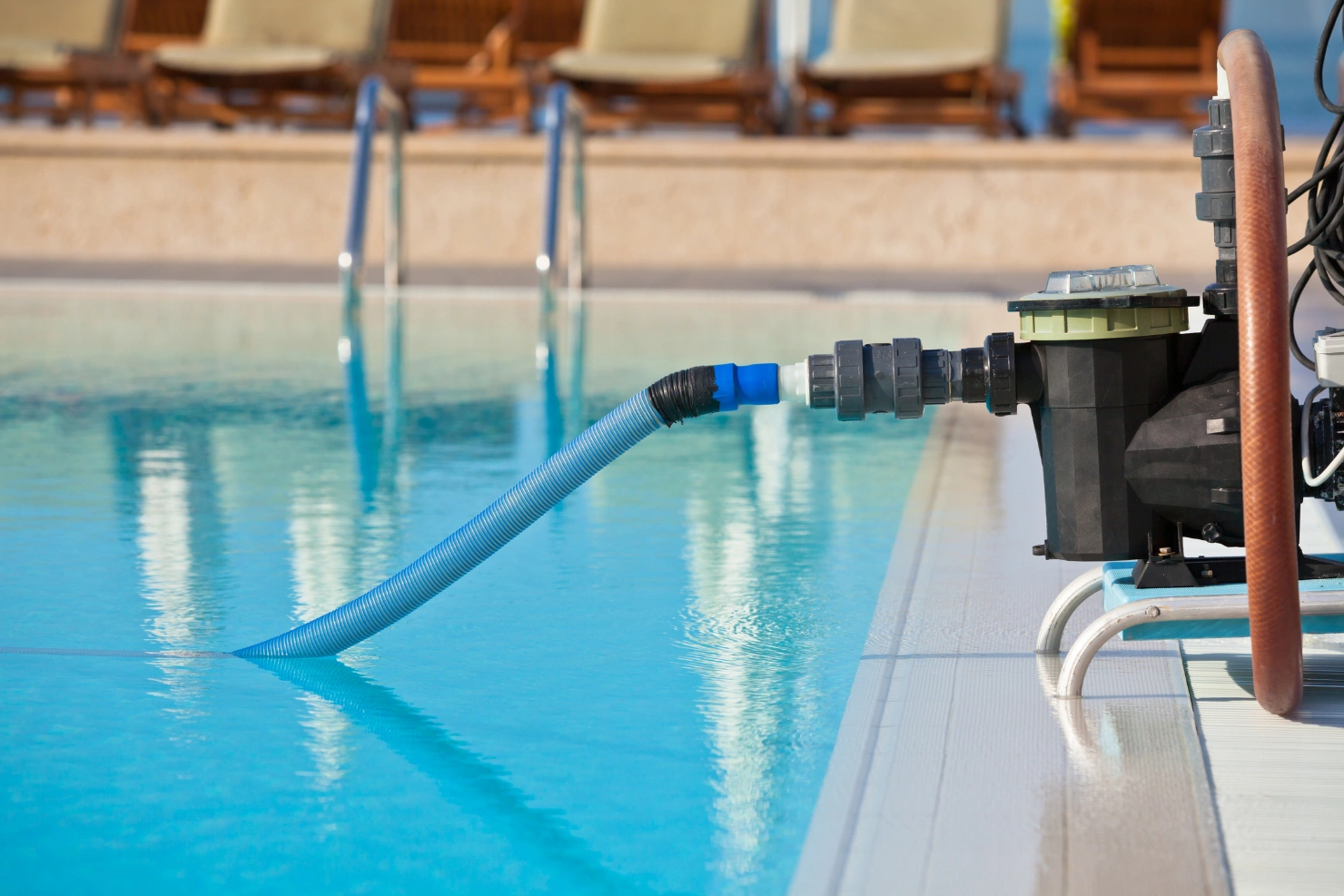
Saltwater equipment depends on steady circulation. Without enough flow, the generator cannot safely or consistently produce chlorine.
Several circulation problems can reduce system performance:
- A dirty filter raises pressure and restricts flow
- Full skimmer baskets limit water entering the pump
- A clogged pump basket lowers circulation
- Air leaks can cause loss of prime
- Low variable-speed pump settings may not activate the flow switch
- Partially closed valves can reduce water movement
- A worn pump may no longer provide adequate flow
Low circulation also prevents chlorine from reaching all parts of the pool. Dead spots near steps, benches, corners, and water features may become cloudy or develop algae first.
Chemistry Problems Versus Equipment Problems
Water testing and equipment inspection should support each other. The table below shows how similar symptoms may point to different causes.
| Pool Symptom | Possible Chemistry Cause | Possible Equipment Cause |
|---|---|---|
| Cloudy water | High pH, low chlorine, or poor filtration | Weak salt cell or restricted circulation |
| Low free chlorine | Heavy swimmer load or high organic demand | Generator producing below its setting |
| Low salt warning | Actual salinity below the operating range | Faulty sensor, scaled cell, or cold water |
| Algae growth | Sanitizer stayed too low | Cell failure or poor chlorine distribution |
| High filter pressure | Dirty filter media | Circulation restriction affecting the generator |
| Repeated chlorine additions | Temporary high chlorine demand | Aging cell or control system failure |
The correct repair depends on measured results. Adding chemicals without checking the equipment can temporarily improve the water while leaving the main problem unresolved.
Salt Readings Are Not Always Accurate
A low-salt warning does not automatically mean the pool needs more salt. Generator readings can differ from independent water test results.
Temperature Effects
Cold water can affect cell efficiency and electronic salinity readings. Many generators reduce output or stop operating when the water falls below a manufacturer-set temperature.
A low-salt warning during cooler weather may result from temperature rather than an actual salt shortage. Check the product manual and verify salinity independently before adding salt.
Sensor Inaccuracy
Sensors can drift as they age or become coated with deposits. A generator may report low salinity even when the true level is within the proper range.
Adding salt based only on the display can raise salinity too far. Correcting excessive salt usually requires draining part of the pool and replacing that water.
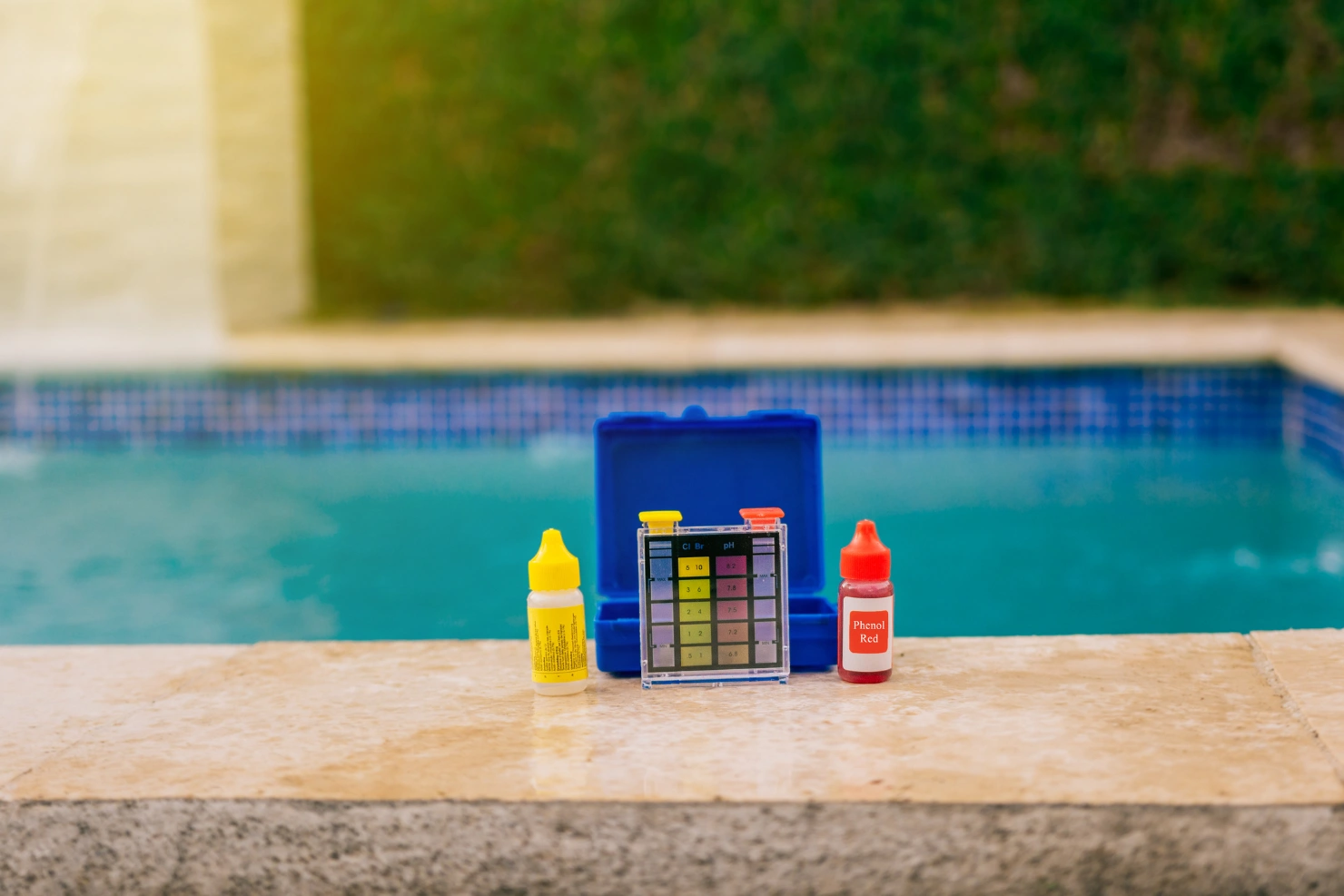
Pro Tip: Test salinity with an independent meter or reliable salt test before adding more salt. Compare that result with the generator display.
Calcium Scale Reduces Cell Output

Calcium buildup is one of the most common salt cell problems. It can appear as white, crusty material between or across the metal plates.
Scale blocks water contact with the active plate surfaces. As the buildup becomes heavier, chlorine production falls and the generator may work harder to maintain output.
A professional inspection can determine whether the cell needs cleaning and what caused the buildup. Correcting high pH, alkalinity, or calcium hardness helps slow its return.
Avoid scraping the plates with metal tools. Scratching or bending the internal coating can permanently damage the cell.
Troubleshooting Before Adding Chemicals
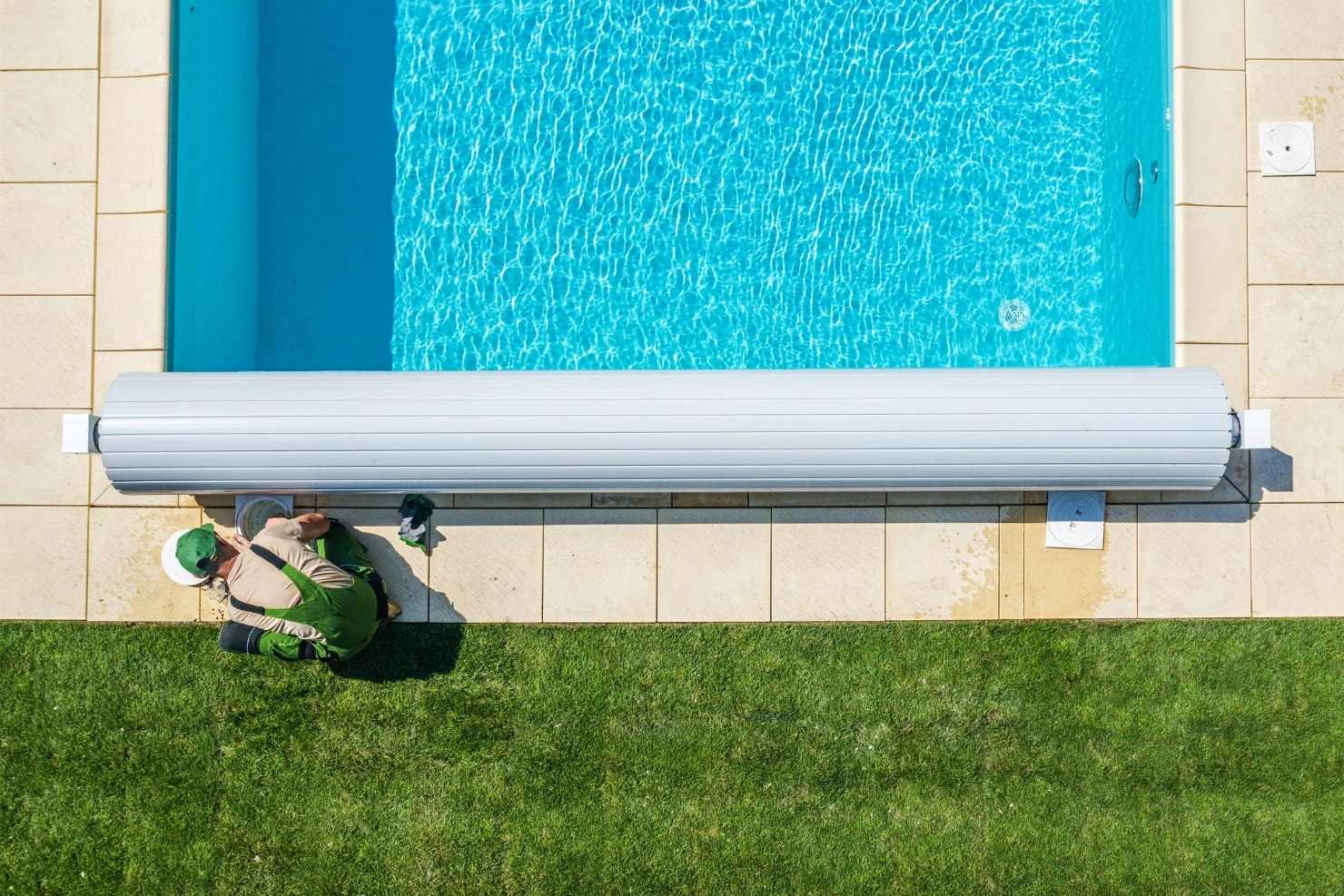
A structured inspection helps prevent repeated chemical treatments and incorrect part replacements. Start with the simplest checks before moving to electrical testing.
- Test free chlorine, pH, alkalinity, and stabilizer.
- Confirm salinity with a separate testing method.
- Read and record all generator warning messages.
- Inspect the salt cell for visible calcium buildup.
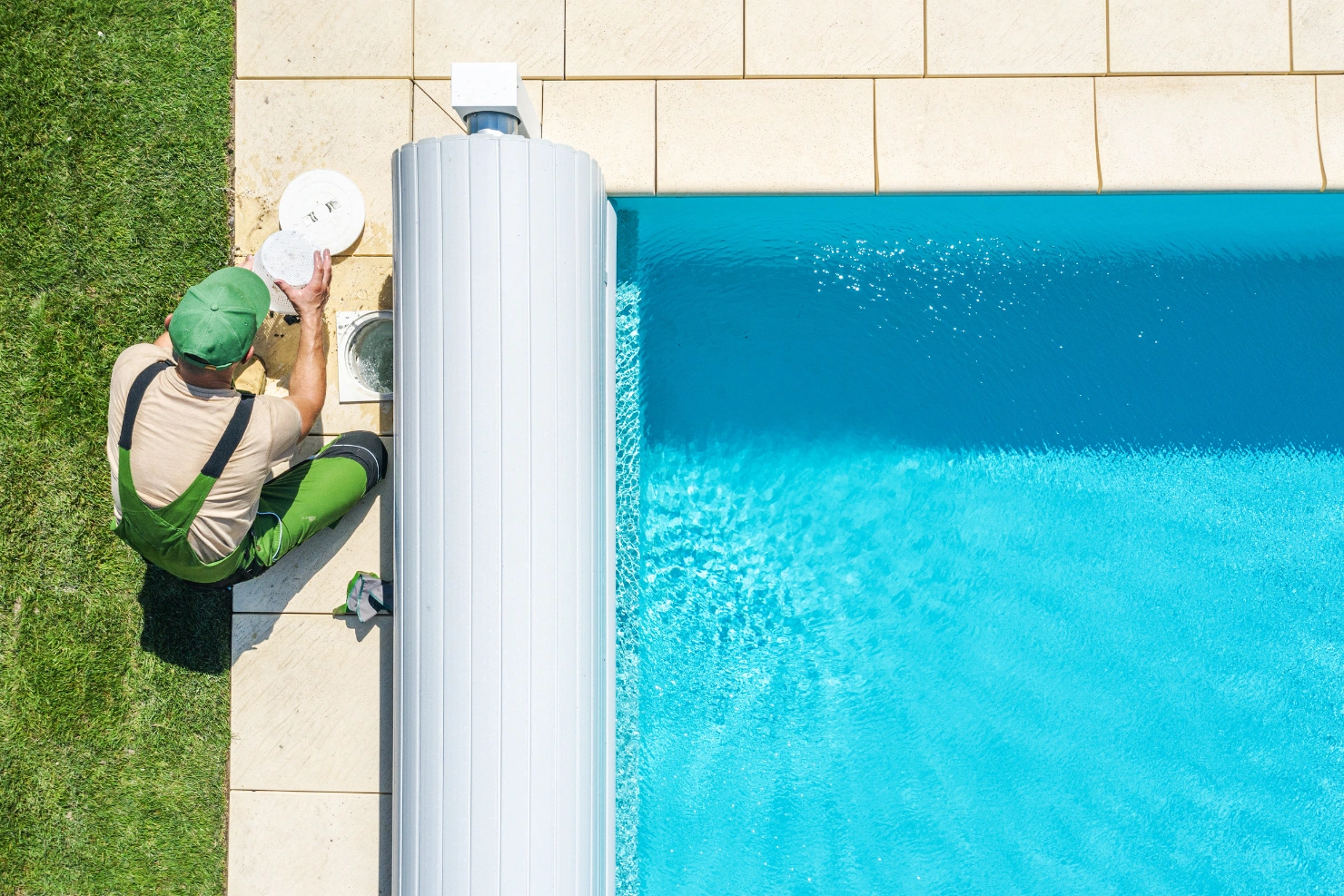
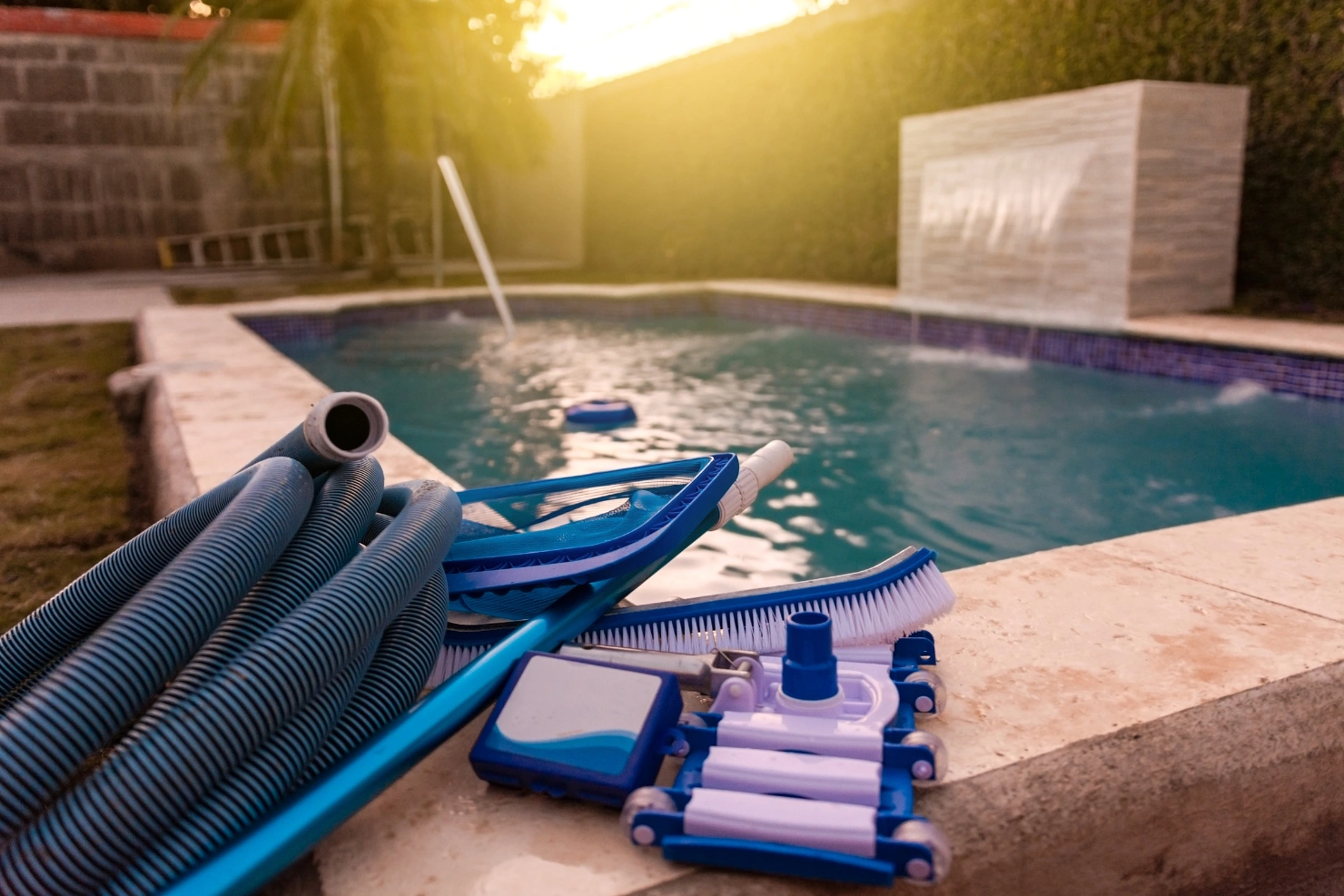
- Empty the skimmer and pump baskets.
- Check filter pressure and clean the filter when needed.
- Confirm strong water flow at the return fittings.
- Review the pump schedule and generator output percentage.
- Inspect the system for air leaks or loss of prime.
- Test chlorine production at the cell return.
These steps help separate a temporary water-balance issue from a system failure. Electrical and internal equipment tests should be handled by a qualified pool professional.
Cleaning Versus Replacing the Salt Cell
A dirty cell and a worn cell can produce similar symptoms. The correct decision depends on its condition, age, diagnostic readings, and response after cleaning.
Cleaning may restore performance when mineral deposits are blocking otherwise healthy plates. Replacement is more likely when the coating is worn, the plates are damaged, the cell repeatedly fails output tests, or cleaning does not improve production.
Homeowners should also confirm that the replacement cell matches the control system. Incompatible components may not communicate or operate correctly.
Professional Saltwater System Testing
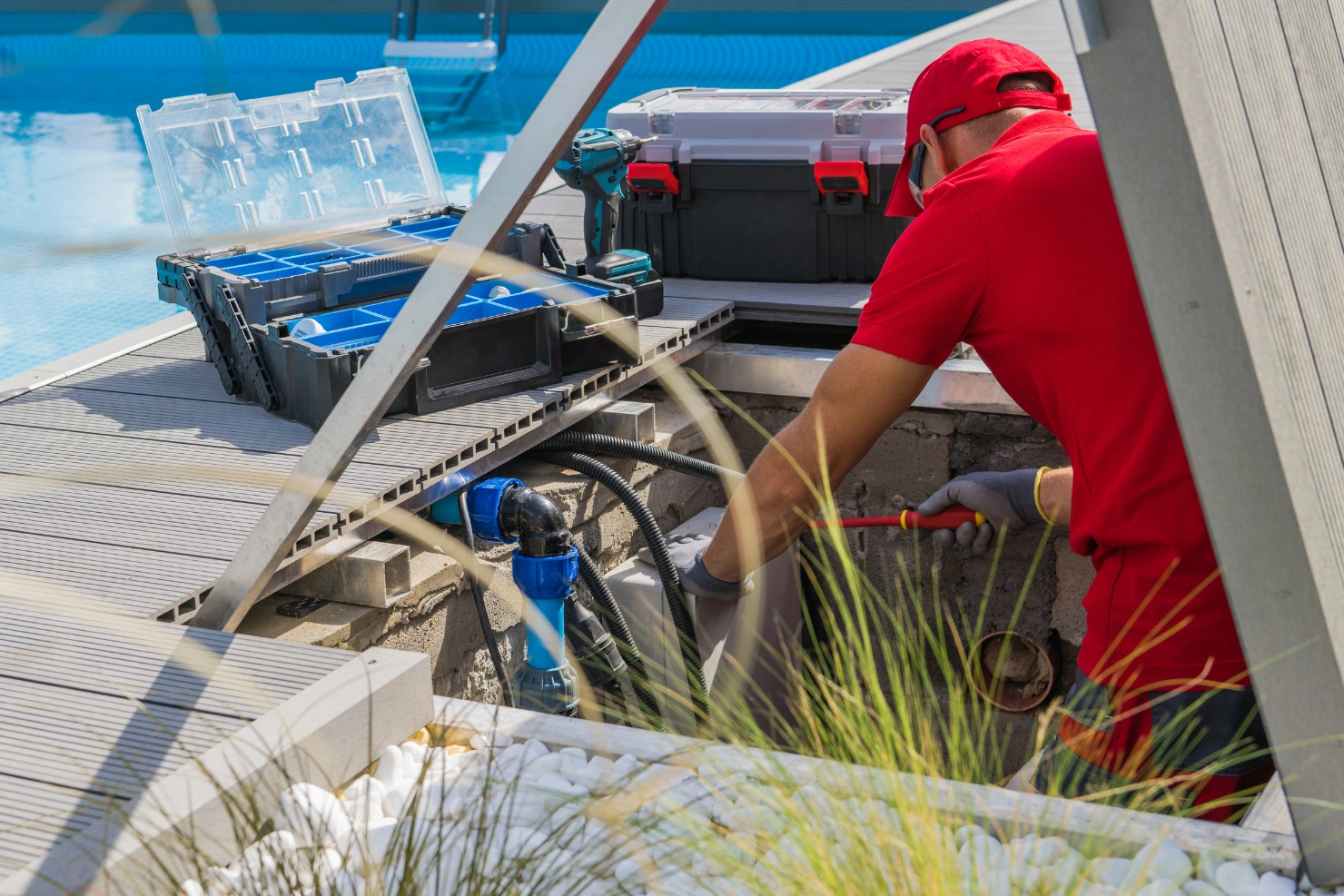
A complete service visit checks more than the visible salt cell. It evaluates the full path from circulation to chlorine production.
Professional testing may include:
- Independent salinity verification
- Salt cell inspection and cleaning
- Cell voltage and amperage testing
- Flow switch and sensor evaluation
- Control board diagnostics
- Pump and filter inspection
- Chlorine output testing
- Water balance review
- Generator setting adjustments
This process reduces guesswork. It also helps prevent a homeowner from replacing an expensive cell when the actual issue is poor flow, a sensor fault, or a control board problem.
Preventing Cloudy Water From Returning
Routine care keeps the saltwater system producing steady sanitizer levels. Maintenance should follow pool use, weather, and manufacturer recommendations.
Inspect the cell regularly, especially during peak swimming season. Keep pump and skimmer baskets clear, monitor filter pressure, and test free chlorine even when the generator reports normal operation.
Maintain pH, alkalinity, calcium hardness, and stabilizer within appropriate ranges for the pool. Confirm that the circulation schedule and generator output match seasonal chlorine demand.
Repeated warnings should not be ignored. Early service can prevent algae, protect the salt cell, and reduce the need for aggressive water treatments.
Restore Reliable Chlorine Production
Cloudy saltwater is often treated as a chemistry problem first, but equipment can be the real cause. A scaled or worn salt cell, poor circulation, inaccurate sensor, or failing control board can leave the pool without enough chlorine.
HQ Pool Services provides saltwater pool system service and maintenance across DC, Maryland, and Northern Virginia. We inspect salt cells, verify salinity, diagnose generator warnings, and check the circulation equipment that supports chlorine production.
Stop adding chemicals without knowing why the water remains cloudy. Request a Quote from HQ Pool Services to restore clear water and reliable saltwater system performance.