Why Pool Shocking Works Better With Proper Balance
Pool shocking can clear cloudy water, reduce strong chlorine odors, and help stop algae before it spreads. But shock treatment does not work in isolation. It depends on the pool’s pH, alkalinity, stabilizer level, circulation, filtration, and overall water condition.
Many homeowners add shock when the water looks dull, green, or unsafe. Sometimes it works fast. Other times, the pool stays cloudy, algae comes back, or chlorine disappears within hours. The difference often comes down to balance. When the water is tested and adjusted first, pool shocking becomes more effective, predictable, and safer for swimmers.
For homeowners across DC, Maryland, and Northern Virginia, HQ Pool provides professional pool shocking and superchlorination services that focus on the full water condition, not just the chlorine level.
Key Takeaways
- Balanced water helps pool shock work.
- High pH can weaken chlorine performance.
- Stabilizer levels affect chlorine’s true strength.
- Circulation spreads shock throughout pool water.
- Professional testing prevents wasted shock chemicals.
What Pool Shocking Actually Does
Pool shocking, also called superchlorination, means raising the chlorine level high enough to break down contaminants that normal daily chlorine levels cannot handle. It is often used when pool water becomes cloudy, smells strongly of chlorine, or begins showing signs of algae.
Shock treatment helps target problems such as:
- Combined chlorine, also called chloramines
- Organic waste from swimmers, sunscreen, sweat, and debris
- Early algae growth on walls, steps, and corners
- Bacteria and contaminants after heavy pool use
- Cloudy or dull water caused by poor sanitation
- Water problems after storms, heat waves, or missed maintenance
A strong chlorine dose can be powerful, but it still needs the right conditions. Water that is poorly balanced can slow the process, weaken chlorine performance, or cause the pool to need repeated treatments.
Why Water Balance Matters Before Shocking
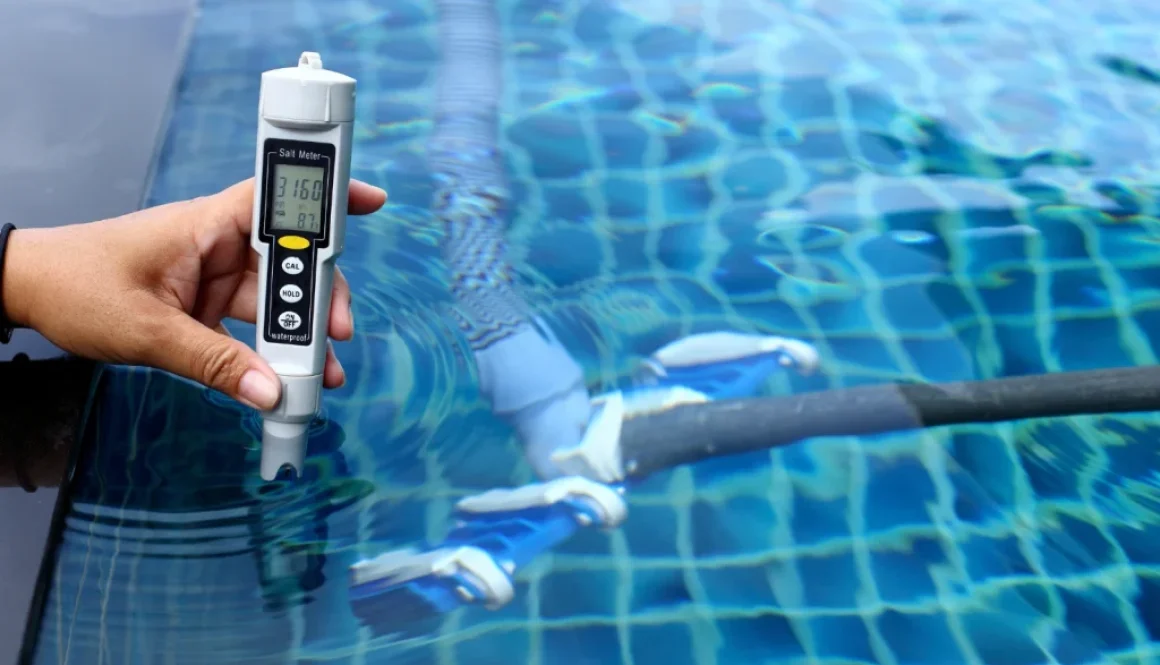
Balanced water gives shock treatment a better chance to work the first time. Before adding chlorine, a pool should be tested for pH, alkalinity, stabilizer, sanitizer level, and combined chlorine.
Shock is not just about adding more chlorine. It is about adding the right amount of chlorine into water that can use it effectively. Poor balance can cause chlorine to work too slowly, disappear too fast, or fail to fully clear the water.
Chlorine Needs Support
Chlorine works best when the surrounding chemistry is controlled. If the pH is too high, chlorine becomes less effective. If alkalinity is unstable, pH can swing. If stabilizer is too high, chlorine may not perform as expected.
This is why professional pool shocking begins with testing. HQ Pool checks the water first, then adjusts the treatment based on pool size, chemistry, and current water condition.
Poor Balance Wastes Chemicals
Many homeowners add shock repeatedly when the real problem is not the shock product. The issue may be high pH, poor circulation, heavy algae growth, or a dirty filter.
Adding more chlorine without fixing those problems can waste chemicals and delay recovery. It may also leave the water cloudy even after the chlorine level rises.
Testing Comes First
Testing gives the pool a clear starting point. It helps determine how much shock is needed, whether pH should be adjusted first, and whether the water needs filtration support after treatment.
Guessing based on color alone can lead to underdosing, overdosing, or treating the wrong issue.
How pH Affects Pool Shocking
pH has one of the biggest effects on chlorine performance. When pH is too high, chlorine becomes less active and less efficient. That means a pool can test positive for chlorine but still struggle with cloudy water, algae, or strong odors.
When pH is too low, the water can become uncomfortable for swimmers and may be more aggressive toward pool surfaces and equipment. Proper pH helps chlorine sanitize more effectively while keeping the water safer and more comfortable.
| Water Factor | Why It Matters During Shocking | What Can Go Wrong |
|---|---|---|
| pH | Affects how effectively chlorine sanitizes | High pH can weaken chlorine performance |
| Alkalinity | Helps keep pH stable | Low or high alkalinity can cause pH swings |
| Stabilizer | Protects chlorine from sunlight in outdoor pools | Too much stabilizer can reduce chlorine effectiveness |
| Circulation | Moves shock throughout the pool | Dead spots may stay cloudy or algae-prone |
| Filtration | Removes broken-down contaminants | Water may stay dull after contaminants are treated |
This is why shock should not be treated like a one-step fix. The best results come from pairing the right chlorine dose with water that is ready to respond.
The Role Of Alkalinity And Stabilizer
Alkalinity and stabilizer do not always get as much attention as chlorine, but both affect how well pool shocking works. They help control how stable and usable chlorine remains in the water.
Alkalinity acts as a buffer for pH. Stabilizer, also called cyanuric acid, helps protect chlorine from sunlight in outdoor pools. Both are useful when they are in the proper range.
Alkalinity Controls Swings
If alkalinity is too low, the pH can move quickly and become hard to control. If alkalinity is too high, pH may stay elevated and make chlorine less effective.
Stable alkalinity makes shock treatment more predictable. It helps the water stay in a range where chlorine can do its job instead of fighting constant pH changes.
Stabilizer Affects Chlorine
Outdoor pools need stabilizer because sunlight can break down chlorine quickly. But too much stabilizer can create a different problem. Chlorine may remain in the water, but it may not act as strongly against contaminants.
This is one reason a pool can show chlorine on a test but still look cloudy or develop algae. Before superchlorination, stabilizer should be checked so the shock dose matches the actual water condition.
Why Circulation And Filtration Matter
Pool shocking does not end when chlorine is added. The pool system must move water continuously so the shock reaches the entire pool. Filtration then helps remove dead algae, debris, and broken-down contaminants.
Even properly balanced water can recover slowly if the pump, filter, or returns are not working well.
Important circulation and filtration steps include:
- Running the pump long enough during and after treatment
- Brushing walls, floors, steps, corners, and ladders
- Emptying skimmer and pump baskets
- Checking that return jets are moving water properly
- Cleaning or backwashing the filter when needed
- Watching areas where algae often returns
- Keeping debris out of the pool during recovery
Brushing is especially important. Algae and contaminants can cling to pool surfaces where circulating water does not reach well. Brushing exposes those areas so chlorine can work more directly.
Common Reasons Pool Shocking Fails
Pool shocking usually fails because the treatment did not match the actual water problem. In many cases, the pool needed testing, balancing, brushing, filtration, or a stronger calculated dose.
Common reasons shock treatment fails include:
- The pH was too high before shocking
- The stabilizer level was too high
- The shock dose was too low for the pool volume
- Algae was already established on pool surfaces
- The filter was dirty or clogged
- The pump did not run long enough
- The pool was not brushed before or during recovery
- Heavy rain added debris and diluted chemistry
- Heat and sunlight reduced chlorine faster than expected
- Swimmer load added more contaminants than usual
A pool can also look worse before it looks better. After shock begins breaking down algae and organic matter, the water may turn cloudy. That does not always mean the treatment failed. It often means filtration needs time to remove suspended particles.
Signs Your Pool Needs Professional Superchlorination
Some pool water problems need more than a basic store-bought shock treatment. Professional superchlorination is helpful when the issue keeps returning or the pool does not respond to normal care.
Homeowners should consider professional pool shocking when they notice:
- Cloudy water that does not clear after treatment
- Green, yellow, or black algae growth
- A strong chlorine smell around the pool
- Burning eyes or skin irritation
- Chlorine levels that drop quickly
- Water that turns dull after heavy use
- Cloudiness after storms or heat waves
- Combined chlorine that remains high
- Algae returning soon after brushing
- Unclear test results or conflicting chemical readings
Strong chlorine smell is often misunderstood. A clean, properly treated pool should not have an overpowering chlorine odor. That smell is often linked to chloramines, which form when chlorine combines with contaminants. Shocking can help break those compounds down when the water is properly balanced.
Professional Pool Shocking Vs DIY Shocking
DIY pool shocking can work for minor water problems, especially when the homeowner tests accurately and knows the pool volume. But professional service is often the better choice when the water is cloudy, algae-prone, or chemically unstable.
Professional pool shocking focuses on the full recovery process. It includes testing, dosing, circulation, brushing, filtration guidance, and follow-up recommendations.
Accurate Testing
HQ Pool tests key water factors before treatment. This helps identify whether the issue is high pH, poor sanitizer performance, high combined chlorine, stabilizer problems, or another chemistry issue.
Accurate testing prevents guesswork. It also helps avoid adding chemicals that the pool does not need.
Correct Dosing
Shock treatment should match the pool’s volume and condition. A lightly cloudy pool does not need the same approach as a pool with visible algae. A pool with high stabilizer may also require a different treatment plan.
Correct dosing matters because underdosing may fail to clear the water. Overdosing can create unnecessary downtime and require longer waiting before swimming.
Better Follow-Up
After shocking, homeowners need to know what to expect. Water may clear quickly, or it may need continued filtration, brushing, and retesting.
HQ Pool explains how the water should look during recovery, when to retest, and what steps help keep the pool from returning to the same condition.
Pro Tip: Do not shock your pool based on water appearance alone. Test pH, alkalinity, stabilizer, free chlorine, and combined chlorine first. Balanced water helps shock work faster and reduces wasted chemicals.