Why Acid Washing Should Be Done Carefully To Protect Pool Plaster
Acid washing can bring a stained, dull, or algae-marked pool surface back to a cleaner and brighter condition. For many homeowners, it feels like the fastest way to restore a concrete or gunite pool when brushing, vacuuming, and chemical balancing no longer work.
“But how do you know when acid washing helps your pool plaster instead of harming it?”
The answer comes down to careful evaluation, proper technique, and knowing when the service is truly necessary. Acid washing removes a thin layer of plaster, so it should never be treated like routine cleaning. Done correctly, it can refresh the pool surface and remove stubborn buildup. Done carelessly, it can weaken plaster, expose rough areas, and shorten the life of the finish.
Key Takeaways
- Acid washing removes thin plaster layers.
- Careful evaluation prevents unnecessary surface damage.
- Weak plaster may need resurfacing instead.
- Proper draining protects the pool structure.
- Balanced water protects plaster after washing.
What Acid Washing Does To Pool Plaster
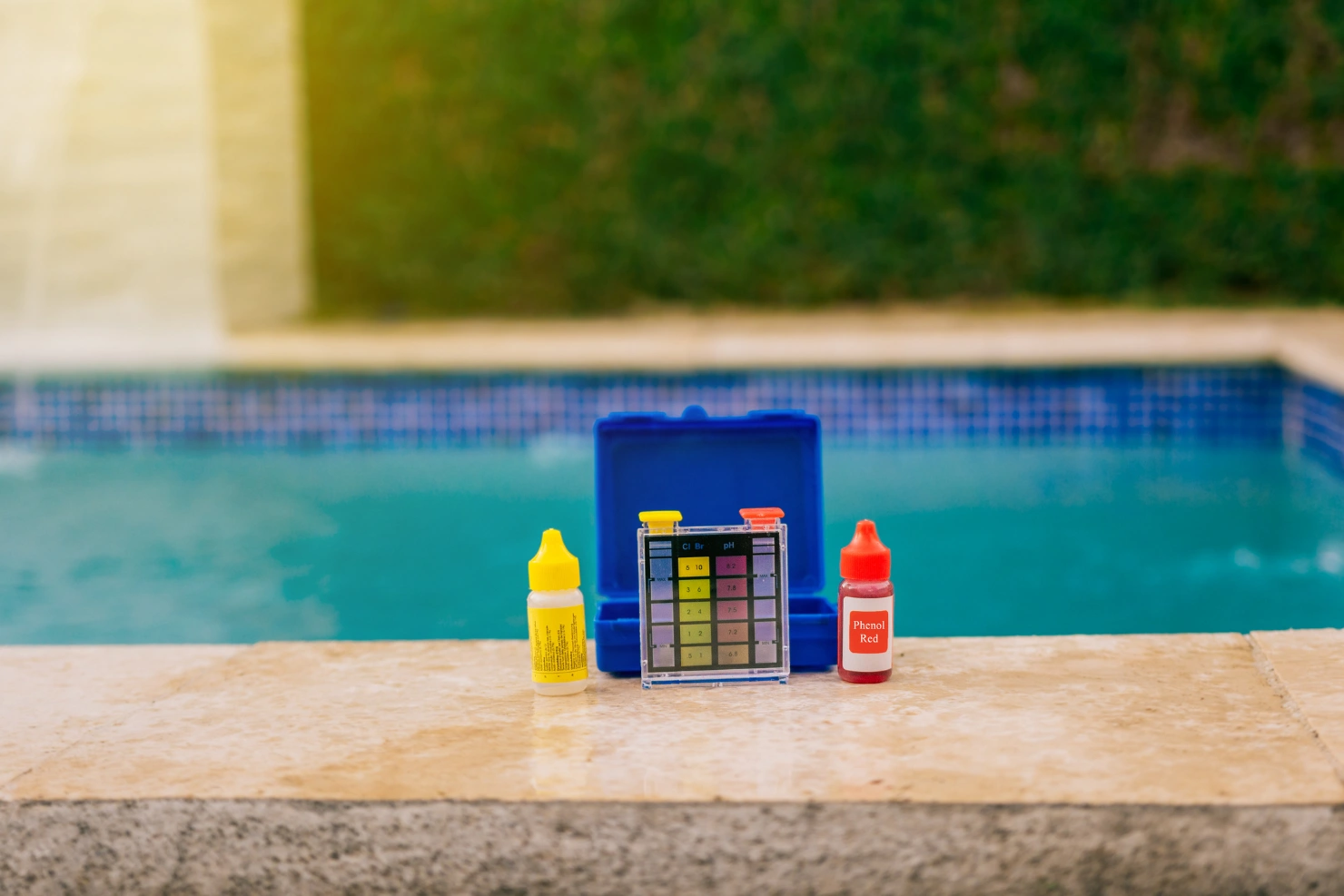
Acid washing is a corrective cleaning method for concrete and gunite pools. It works by applying a controlled acid solution to the drained pool surface to remove stains, mineral deposits, and algae marks that have settled into the plaster.
The process can make a stained pool look much cleaner, but it also affects the plaster itself. That is why it must be handled with care from the first inspection to the final rinse.
Surface Layer Removal
Pool plaster is not just being “washed” during an acid wash. A very thin layer of the surface is removed as the acid reacts with the plaster.
This is why acid washing can brighten old stains and scale marks. It is also why too much acid, too much contact time, or repeated washing can wear down the finish faster than expected.
Stain And Scale Removal
Acid washing is often used for stains that do not respond to normal brushing or chemical treatment. These may include algae stains, calcium scale, mineral discoloration, and surface buildup from poor water balance.
It can also help pools that look dull even after cleaning. The goal is to remove what has bonded to the surface without stripping away more plaster than necessary.
Why Acid Washing Is Not Routine Pool Maintenance
Acid washing should not be treated like weekly cleaning, seasonal opening, or routine water balancing. It is a stronger service used when normal care no longer gives the pool a clean, safe-looking surface.
Most pools do not need acid washing every year. In many cases, proper brushing, filtration, water testing, and chemical balancing can prevent stains from reaching that point.
Acid washing may be considered when:
- Severe algae staining remains after treatment
- Mineral scale has built up on the plaster
- The pool finish still looks dull after cleaning
- Stains have settled into the plaster surface
- Water problems cannot be corrected while the pool is full
- The pool needs a clean starting point after long neglect
- A concrete or gunite pool surface is still strong enough for treatment
At HQ Pool Services, we look at the condition of the pool first. If acid washing is not the right option, the better move may be stain treatment, water balancing, filter cleaning, or another less aggressive approach.
How Careless Acid Washing Can Damage Plaster
Acid washing can be effective, but poor technique can cause avoidable damage. The risk usually comes from using too strong a solution, applying it unevenly, leaving it on too long, or washing plaster that is already too worn.
This matters because pool plaster has a limited surface life. Every aggressive treatment removes a small amount of that finish.
Rough Pool Texture
Overexposed plaster can feel rough underfoot or against the skin. This happens when the surface becomes etched or uneven.
A rough surface can also collect dirt and algae more easily. That can make the pool harder to keep clean after the service.
Exposed Aggregate
If too much plaster is removed, deeper material may become visible. This can create uneven coloring, rough patches, or exposed aggregate.
Once this happens, cleaning will not always solve the problem. The pool may need resurfacing if the plaster has become too thin or damaged.
Shorter Surface Life
Repeated acid washing can shorten the life of the plaster. A pool that is acid washed too often may lose its smooth finish sooner than it should.
This is why the service should be used only when the surface condition justifies it. The goal is to restore the pool without creating a bigger repair issue.
When Acid Washing Makes Sense
Acid washing can be the right choice when the pool surface has deep staining or mineral buildup that cannot be removed while the pool is full. It is most useful for concrete and gunite pools with plaster surfaces that are still structurally sound.
A professional inspection should come first. The pool surface, stain type, age of the plaster, and overall condition all affect whether acid washing is worth the risk.
Acid washing may make sense for:
- Older plaster with deep discoloration
- Pools with a long history of algae growth
- Heavy calcium or mineral deposits
- Stains that remain after brushing and treatment
- Pools affected by poor water balance
- Concrete or gunite pools that still have a stable surface
- Pools that need a fresh start before proper maintenance begins
For many homeowners in the DC Metro Area, acid washing becomes an option after algae, stains, or scale have been ignored for too long. It can help reset the appearance of the pool, but it should still be done carefully.
When Acid Washing May Not Be The Best Option
Not every stained pool needs acid washing. Some problems are caused by water chemistry, metals, organic debris, or aging plaster that has already reached the end of its life.
A careful evaluation helps avoid unnecessary damage. In some cases, acid washing may improve the appearance for a short time but fail to solve the real issue.
Weak Plaster
Thin, weak, or crumbling plaster may not handle acid washing well. If the surface is already breaking down, acid can make the texture worse.
A worn surface may need resurfacing instead of washing. This is especially true if the plaster is rough, pitted, or flaking in several areas.
Surface Cracks
Cracks, hollow spots, and loose material should be checked before the pool is drained. These issues may point to deeper surface or structural concerns.
Acid washing will not repair cracks. It only cleans the surface, so the pool must be stable enough for the process.
Newer Finishes
Newer plaster usually does not need acid washing unless there is a serious staining issue. Less aggressive cleaning or stain treatment may be enough.
Using acid too soon can wear down a finish that still has many years of service left. A lighter approach is often better for newer surfaces.
The Importance Of Proper Pool Draining
Draining a pool is a major step, not just a way to empty water before cleaning. Site conditions, weather, groundwater, and pool structure should be reviewed before the pool is fully drained.
A pool shell is built to hold water. Removing that water changes the pressure around the structure, which is why draining should be controlled and planned.
Professionals consider factors such as:
- Current groundwater conditions
- Recent rain or saturated soil
- Pool type and surface age
- Hydrostatic pressure risk
- Drainage location
- Weather during the service
- Condition of plaster, tile, and fittings
This step matters because the acid wash cannot be done safely if the draining process creates a new risk. A clean pool surface is not worth damage to the shell, plaster, or surrounding area.
Safe Acid Washing Steps Homeowners Should Expect
A careful acid wash follows a process. Homeowners should expect more than a quick drain and rinse.
The right process protects the pool surface, reduces exposure time, and helps the pool return to stable water conditions after refill.
A proper service should include:
- Inspecting the pool surface first
- Confirming acid washing is appropriate
- Draining the pool in a controlled manner
- Preparing the surface for treatment
- Applying the acid solution evenly
- Avoiding long acid exposure
- Neutralizing and rinsing the surface thoroughly
- Cleaning the pool shell after treatment
- Refilling the pool
- Restarting circulation
- Beginning water balancing after refill
At HQ Pool Services, we treat acid washing as a surface restoration process, not a shortcut. The service should be based on the pool’s actual condition, not just the appearance of dirty water or light staining.
Acid Washing Vs Other Pool Cleaning Options
Pool cleaning methods are not all the same. Some are low-impact and can be used often, while others should only be used for serious surface problems.
This table helps show where acid washing fits compared with other common options.
| Cleaning Option | Best For | Surface Impact |
|---|---|---|
| Brushing | Light dirt, dust, and early algae | Low |
| Chemical Treatment | Active algae and water balance issues | Low |
| Spot Stain Treatment | Isolated stains or small problem areas | Moderate |
| Filter Cleaning | Poor circulation and cloudy water support | Low |
| Acid Washing | Severe staining, scale, and embedded buildup | High |
| Resurfacing | Failed, rough, or worn-out plaster | Full surface replacement |
Acid washing should sit near the end of the cleaning scale. It is more aggressive than brushing or stain treatment, but it is not the same as resurfacing.
How To Protect Pool Plaster After Acid Washing
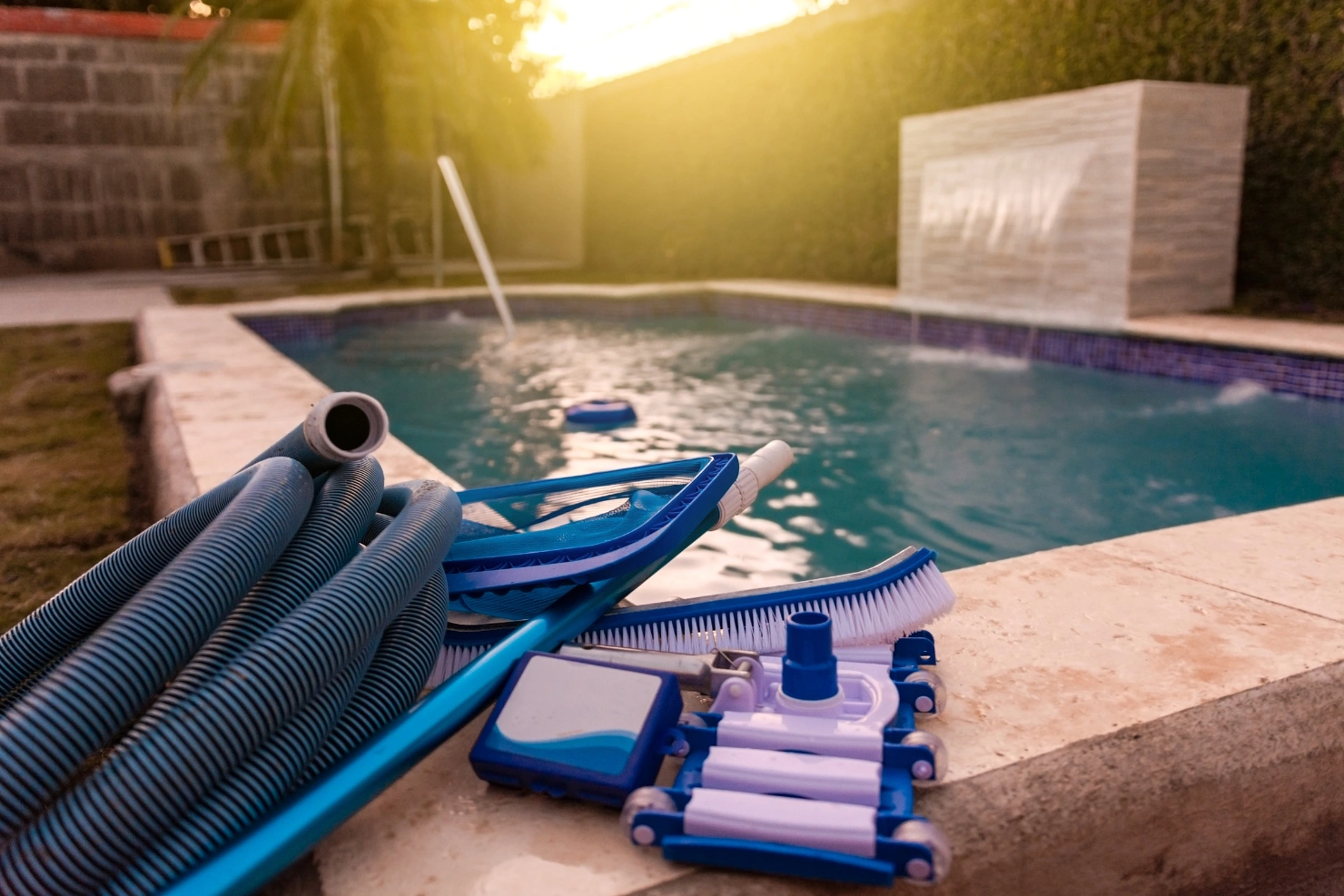
The work does not end once the surface is rinsed. The refill and water balancing stage is important because fresh water can affect plaster conditions.
Balanced water helps protect the cleaned surface. Poor chemistry after an acid wash can lead to scale, staining, etching, or algae returning faster.
After acid washing, homeowners should focus on:
- Restarting circulation quickly after refill
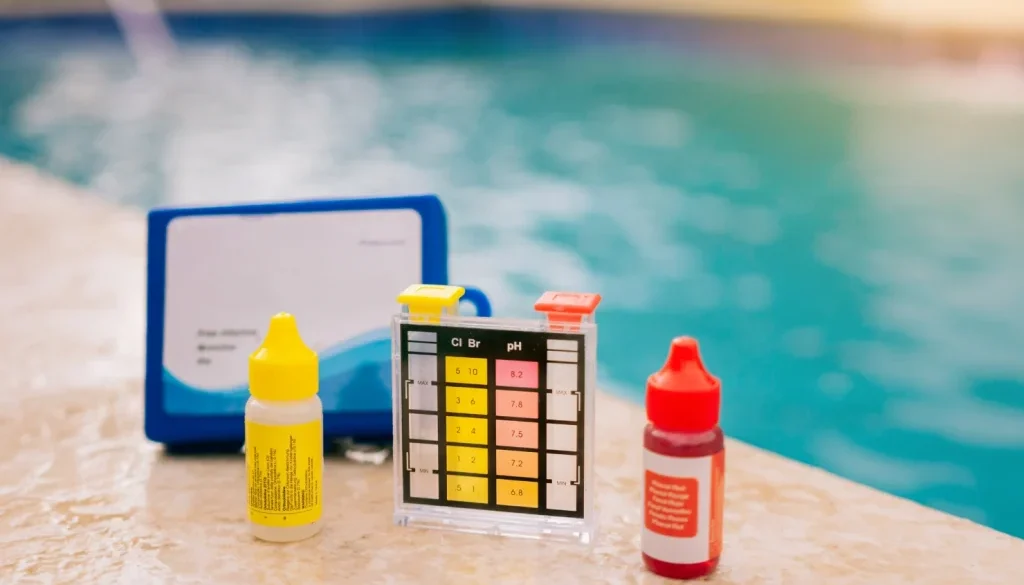
- Testing pH, alkalinity, chlorine, and calcium hardness
- Balancing water before heavy pool use
- Brushing the pool during the stabilization period
- Monitoring for new stains or cloudy water
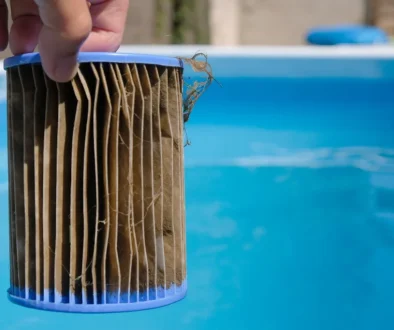
- Keeping the filter clean
- Avoiding long periods of poor circulation
- Maintaining a regular pool service schedule
Pro Tip: Do not request acid washing just because the pool looks dirty. First, confirm whether the discoloration is surface staining, active algae, metal staining, scale, or poor water balance.
Why Professional Acid Washing Protects Your Pool Investment
A pool is a major part of the home, and the plaster surface plays a big role in how the pool looks and feels. Acid washing should protect that investment, not shorten its lifespan.
Professional service matters because the process requires judgment. The technician must know when to proceed, when to stop, and when another treatment would be safer.
HQ Pool Services provides pool draining and acid washing for homeowners throughout the DC Metro Area, including Maryland and Northern Virginia. Our goal is to restore stained plaster when acid washing makes sense and help homeowners avoid unnecessary damage when it does not.
Careful acid washing can remove deep stains, mineral buildup, and algae marks. Careless acid washing can roughen plaster, expose weak areas, and create more expensive repairs.
Conclusion
Acid washing can be a smart way to restore a stained concrete or gunite pool, but it should never be treated as simple routine cleaning. The process removes a thin layer of plaster, so timing, technique, and surface condition all matter.
Homeowners should have the pool evaluated before deciding. If the plaster is strong enough and the stains are severe enough, acid washing may give the pool a cleaner, brighter start. If the plaster is weak, cracked, or near the end of its life, another solution may be safer.
HQ Pool Services helps homeowners make the right call before the pool is drained. With careful evaluation and proper handling, acid washing can improve the pool’s appearance while protecting the plaster as much as possible.