The Real Reason Your Pool Water Level Drops Too Fast
A pool that loses water too quickly can be frustrating, especially when you keep refilling it and adjusting chemicals without seeing lasting results. Some water loss is normal because of evaporation, splash-out, and heavy use.
“But what happens when the water level keeps dropping faster than expected, even when the pool looks clean and the equipment seems to be running?”
That is when a hidden leak, plumbing issue, or structural problem may be the real cause. Understanding the difference can help protect your pool, yard, equipment, and budget before a small issue turns into a costly repair.
Key Takeaways
- Fast water loss may signal leaks.
- Evaporation changes with weather and use.
- Leaks can damage soil and plumbing.
- Professional testing prevents costly repair guessing.
- Early detection protects your pool system.
Why Some Pool Water Loss Is Normal
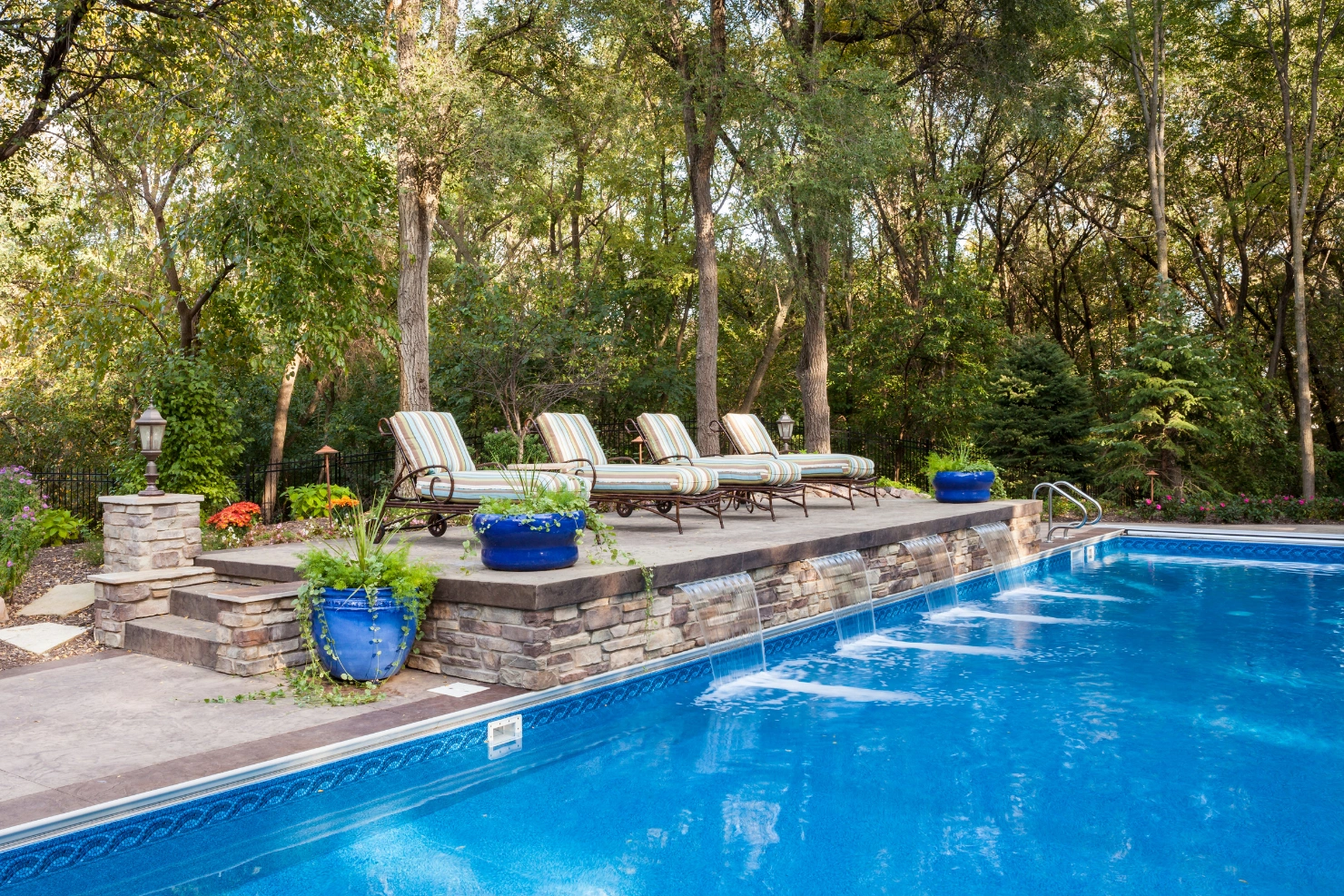
Every swimming pool loses some water during regular use. Weather, sunlight, wind, swimming activity, and filter maintenance can all lower the water level. The key is knowing when that loss matches normal conditions and when it starts pointing to a larger problem.
In the DC Metro area, summer heat, long sunny days, and active pool use can make water loss more noticeable. Still, normal water loss should not force you to refill the pool constantly.
Evaporation
Evaporation happens when water turns into vapor and leaves the pool surface. It is more common during hot, dry, sunny, or windy weather. Pools with direct sun exposure or wide open yard placement may lose water faster than shaded pools.
Warm water also evaporates more quickly, especially when nighttime air is cooler than the pool water. This is why some homeowners notice water loss even when no one has been swimming.
Splash-Out
Splash-out is water physically pushed out of the pool during use. Kids playing, pets jumping in, water games, and heavy activity can all send water over the edge. Built-in features like waterfalls, deck jets, and spillovers can also contribute if they are not adjusted properly.
Splash-out usually follows active pool use. If the water level drops even when the pool has not been used, another issue may be involved.
Backwashing
Some pool filter systems require backwashing to remove dirt and debris from the filter. This process sends water out of the pool through the waste line. After backwashing, the water level may need to be raised.
That type of water loss is expected. The concern starts when the level keeps dropping after normal filter maintenance is complete.
When Water Loss Becomes A Warning Sign
Normal water loss changes with weather and pool use. A leak usually follows a more consistent pattern. If the water level drops quickly day after day, the pool may be losing water through a structural opening, plumbing line, fitting, skimmer, light niche, or equipment connection.
Homeowners often notice the problem before they know the cause. The pool may still look clean, but small signs around the pool or equipment pad can reveal that water is escaping somewhere it should not.
Watch for these warning signs:
- Water drops faster than expected every day
- You refill the pool several times a week
- The pump pulls air into the system
- Pool equipment loses prime
- Wet soil appears near the pool
- Soft spots form around the deck or yard
- Cracks appear near fittings or skimmers
- Chemical levels become difficult to maintain
- Water loss continues with little or no swimming
- The pool level drops below a fitting or skimmer
A leak should not be ignored. Escaping water can disturb soil, affect pool plumbing, strain equipment, and raise water and chemical costs.
Common Places Pool Leaks Start
Pool leaks are not always visible from the surface. Many start in small areas where materials meet, move, age, or handle pressure. HQ Pool Services checks both structural and plumbing-related areas to find the real source before recommending a repair.
The right repair depends on the location of the leak. A cracked fitting, leaking line, or structural opening each requires a different solution.
Skimmers And Fittings
Skimmers, return fittings, main drain fittings, and wall penetrations are common leak points. These areas are cut into the pool shell, which means they rely on proper sealing. Over time, movement, aging materials, or small separations can allow water to escape.
A leak near a skimmer may become more noticeable when the water level reaches that area. Cracks around the skimmer face, loose fittings, or gaps in the seal should be checked carefully.
Pool Plumbing
Underground plumbing leaks can be harder to spot because the pipes are hidden below the surface. Return lines, suction lines, valves, and equipment connections may leak due to shifting soil, pressure changes, freeze damage, aging pipes, or previous repairs.
One common clue is air entering the pump system. Another is equipment losing prime. Wet areas near the equipment pad or pool deck can also point to a plumbing issue.
Pool Structure
Structural leaks can happen through cracks in the pool shell, plaster, concrete, gunite, vinyl liner, or around steps and corners. Some cracks are cosmetic, but others allow water to move through the pool surface.
Structural leaks should be handled carefully. Sealing the wrong area without confirming the source may only hide the symptom while water continues escaping elsewhere.
Pool Lights
Pool lights can leak around the niche, conduit, or sealing area. Since lights sit below the waterline, even a small issue can release water steadily. These leaks are not always obvious unless the area is tested.
Light-related leaks should be inspected by trained professionals because pool lighting involves both water and electrical components.
Evaporation Vs. Pool Leak: Key Differences
It is easy to confuse evaporation with a leak because both lower the water level. The difference is usually found in the pattern. Evaporation often changes with heat, wind, and sun exposure, while a leak tends to continue even when weather and pool use stay the same.
This table can help homeowners understand what they may be seeing before scheduling service.
| Issue | Normal Evaporation | Possible Pool Leak |
|---|---|---|
| Water loss pattern | Changes with weather conditions | Happens consistently day after day |
| Swimming activity | More noticeable after heavy use | Continues even with no pool use |
| Chemical balance | Usually stays predictable | Becomes harder to maintain |
| Soil around pool | Usually dry | May become wet or soft |
| Equipment behavior | Runs normally | May pull air or lose prime |
| Water loss overnight | Usually slower | May continue noticeably |
| Repair needed | Usually no repair needed | Leak detection may be needed |
A comparison like this is helpful, but it does not replace proper testing. If the signs point toward a leak, guessing can lead to wasted time and missed damage.
Why Fast Water Loss Affects More Than Water Bills
Pool water loss is not just a water bill problem. A leaking pool can affect the entire system around it. Water that escapes underground can move soil, weaken support around plumbing, and create pressure around the pool structure.
It also makes pool care more difficult. Every time fresh water is added, the water chemistry changes. That can make sanitizers, pH, alkalinity, and other chemical levels harder to keep stable.
Fast water loss can lead to:
- Higher monthly water bills
- More chemical use
- Unstable water balance
- Pump and equipment strain
- Soil erosion near the pool
- Wet spots around the yard
- Deck settling or movement
- Damage near underground plumbing
- Larger repair costs if ignored
A small leak can become more expensive when it is left alone. Finding the source early helps limit damage and gives homeowners more repair options.
How Professional Pool Leak Detection Works
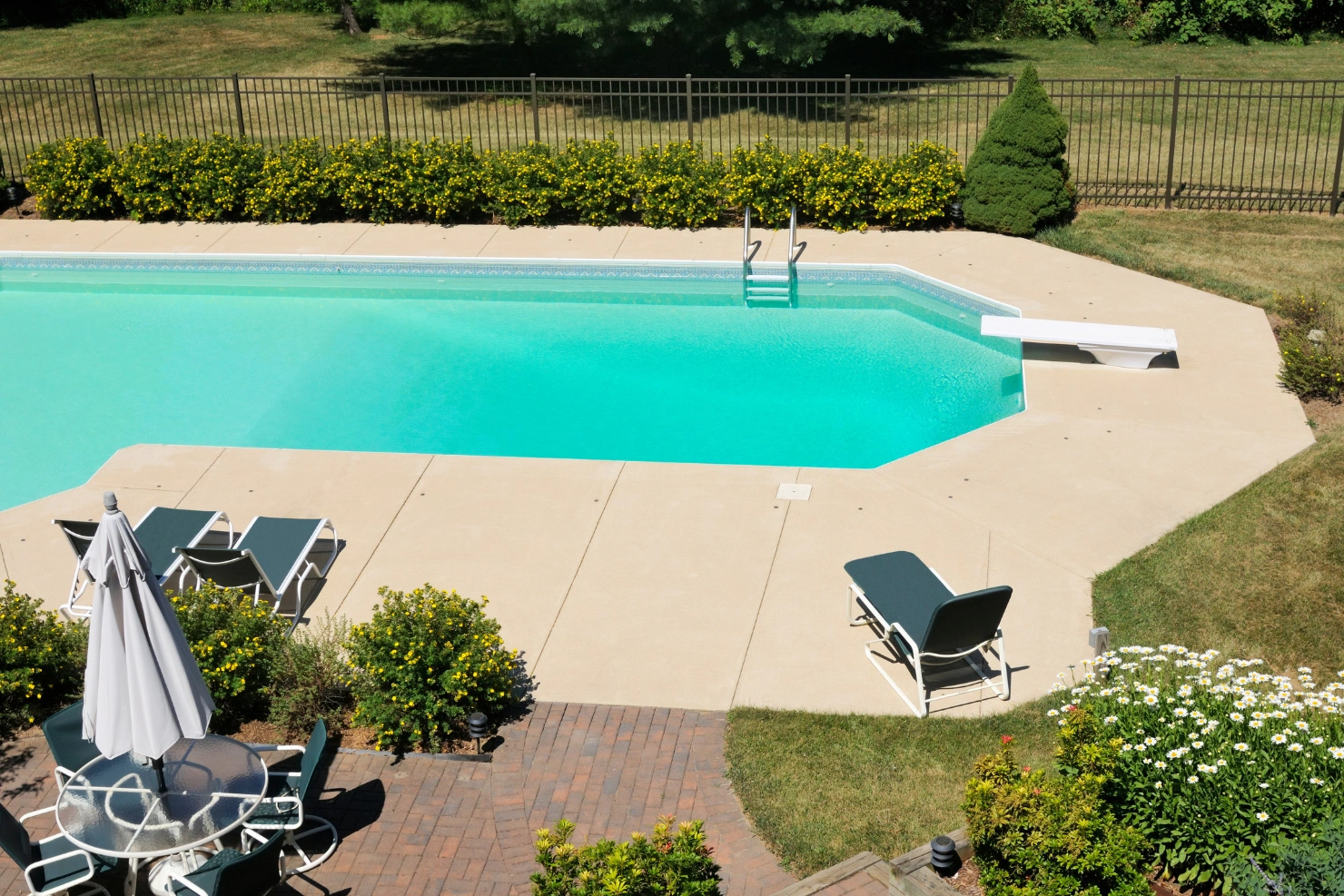
Professional leak detection is about confirmation. The goal is to find where water is escaping before making repairs. This helps avoid unnecessary digging, random patching, or replacing parts that are not causing the problem.
HQ Pool Services provides pool leak detection and repair for residential pools throughout Maryland, Virginia, and the DC Metro area. The process focuses on clear answers and practical repairs.
Visual Inspection
A visual inspection checks the pool surface, skimmers, fittings, lights, steps, tile line, equipment pad, valves, and nearby ground conditions. Wet soil, cracks, loose fittings, or air in the system may help narrow the search.
This step helps identify visible warning signs and decide what testing is needed next.
Pressure Testing
Pressure testing is used to check plumbing lines. It helps determine whether a return line, suction line, or other pipe is holding pressure properly. If pressure drops during testing, it may indicate a leak in that line.
This is important because underground plumbing leaks cannot always be found by looking at the pool surface.
Dye Testing
Dye testing can help confirm leaks around fittings, cracks, lights, and skimmers. A small amount of dye is placed near a suspected leak area. If water is being pulled through an opening, the dye may move toward that spot.
This method is useful for confirming specific leak points before repair work begins.
Repair Planning
After the leak source is confirmed, the repair plan can be matched to the problem. Some repairs may involve sealing fittings, repairing skimmers, addressing structural cracks, or fixing plumbing lines.
A clear repair plan helps prevent unnecessary disruption and gives the homeowner a better understanding of the issue.
Why DIY Leak Guessing Can Make The Problem Worse
Many homeowners try to solve water loss by adding more water, patching visible cracks, replacing parts, or adjusting equipment. These steps may help in some situations, but they can also miss the real cause. A leak hidden underground or behind a fitting will not be fixed by surface-level guessing.
Random sealants can also make future repair work harder if they are applied in the wrong place. Replacing equipment without testing can cost more while the leak continues.
DIY guessing becomes risky when:
- Water loss continues after refilling
- The pump keeps pulling air
- Wet spots appear near the pool
- The leak may be underground
- Cracks are near fittings or skimmers
- Chemicals remain unstable
- The pool loses water even when unused
A proper inspection helps separate normal water loss from an active leak. It also helps prevent small problems from spreading into the deck, plumbing, or pool structure.
Pro Tip: Before scheduling service, mark the pool water level with tape or a pencil line and limit swimming, backwashing, and water feature use for a short period.
When To Schedule Pool Leak Detection And Repair
Fast water loss should be checked when it becomes a pattern. One unusual day may be linked to heat, wind, or heavy use. Repeated refilling, wet soil, equipment issues, or unstable chemicals are stronger signs that leak detection is needed.
Waiting too long can make the repair more complicated. A leak may start at a fitting or pipe, but escaping water can affect nearby soil, decking, and pool components.
Schedule pool leak detection if you notice:
- Water dropping faster than usual
- Constant need to refill the pool
- Air bubbles entering the return jets
- Pump losing prime
- Wet or soft ground near the pool
- Cracks around fittings or skimmers
- Water level stopping near a specific opening
- Chemical levels changing too often
- Higher water bills without another explanation
HQ Pool Services helps homeowners find and repair pool leaks without guesswork. Our team identifies structural and plumbing issues so the pool can return to a sealed, reliable condition.
Protect Your Pool Before The Leak Gets Worse
A pool water level that drops too fast is more than an inconvenience. It can point to evaporation, splash-out, plumbing failure, structural movement, worn fittings, or hidden underground leaks. The only way to know the real cause is to look at the pattern and confirm the source.
Early leak detection helps protect your pool, equipment, yard, deck, and budget. If your pool keeps losing water faster than normal, HQ Pool Services can inspect the issue and provide the right repair for your residential pool in Maryland, Virginia, and the DC Metro area.
Request a quote today and stop wasting water, chemicals, and time on a leak that needs a real solution.