Why Your Saltwater Pool Keeps Showing a Low Salt Warning
A low salt warning can be confusing, especially when you recently added salt and the pool still appears to be operating normally. The alert does not always mean the water simply needs more salt, and repeatedly adding salt without checking the system can create new water balance problems.
“So why does your saltwater pool keep showing a low salt warning even when the salt level seems correct?”
The cause may involve a dirty salt cell, inaccurate sensor readings, cold water, poor circulation, or a salt cell that is beginning to wear out. Finding the real source of the warning helps restore proper chlorine production and prevents unnecessary adjustments to your pool water.
Key Takeaways
- Low salt warnings require proper testing.
- Dirty salt cells reduce chlorine production.
- Cold water can trigger system warnings.
- Extra salt may worsen existing problems.
- Persistent warnings may indicate equipment trouble.
What a Low Salt Warning Actually Means

A saltwater chlorine generator relies on dissolved salt to produce chlorine through electrolysis. When the system determines that salinity has fallen below its operating range, it may display a low salt warning, reduce chlorine output, or stop producing chlorine altogether.
The exact salinity range depends on the manufacturer and model. For example, some Pentair IntelliChlor systems identify 3,600 ppm as ideal and begin issuing warnings as salinity drops below specified thresholds. Other systems use different ranges, which is why homeowners should follow the specifications for their particular generator rather than relying on one universal salt number.
Common Reasons a Low Salt Warning Keeps Appearing
A warning that returns repeatedly deserves more investigation than simply pouring another bag of salt into the pool. Several conditions can affect what the generator detects and whether its cell can operate correctly.
Salt Level Is Low
Sometimes the simplest explanation is the correct one. Splash-out, backwashing, draining, leaks, and heavy rainfall followed by water removal can gradually reduce salinity because salt leaves the pool when saltwater itself leaves.
Salt does not normally disappear through evaporation. Water evaporates while most dissolved salt remains behind. If independent testing confirms that salinity is genuinely below the generator’s required range, salt can then be added according to the pool volume and manufacturer instructions.
Salt Cell Is Dirty
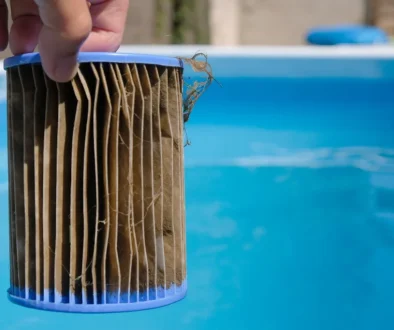
Salt cells contain metal-coated plates where chlorine generation occurs. Calcium scale can accumulate on these plates, especially when water chemistry encourages scaling.
Heavy deposits can interfere with chlorine production and may contribute to cell warnings. Pentair specifically identifies calcium buildup on cell blades as a condition that can hamper chlorine generation and recommends inspecting and cleaning the cell according to the manufacturer’s procedure.
Sensor Reading Is Wrong
A generator’s displayed salinity is not necessarily the same as an independent water test. Some systems use conductivity and temperature information to estimate salt concentration, so a sensor or control issue can produce a reading that does not match the actual pool water.
If the control panel says the salt is low while a reliable independent test repeatedly says it is within the manufacturer’s range, adding more salt should not be the first response.
Water Is Too Cold
Saltwater chlorine generators have minimum operating temperatures. Below that limit, chlorine production may be reduced or stopped.
The cutoff varies by equipment. Pentair documentation, for example, describes a cold-water cutoff below 52°F for certain systems, while a Jandy TruClear XL manual lists a low-temperature shutdown at 55°F and below.
Why Adding More Salt Is Not Always the Answer
Adding salt without confirming the actual salinity can turn one problem into another. If the generator’s reading is inaccurate, additional salt may push the pool above its intended operating range without clearing the warning.
Use an independent salt test before making a large adjustment. If that result disagrees significantly with the generator display, the cell, sensors, water temperature, and controls deserve closer inspection.
Pro Tip: Before adding salt because of a recurring warning, test salinity independently and compare the result with your generator’s recommended range. If the water tests correctly but the equipment continues reporting low salt, investigate the system instead of continuing to add salt.
Signs the Salt Cell May Be Causing the Warning
A salt cell gradually loses its ability to produce chlorine as it ages, and scale can reduce its performance sooner. A single warning does not automatically mean the cell needs replacement, but several symptoms together can justify testing it.
Watch for:
- Repeated low salt or inspect-cell warnings
- Low free chlorine despite proper salinity
- Visible scale between the cell plates
- Increasing generator output without enough chlorine
- Frequent need for manually added chlorine
- Warning messages that return after proper cleaning
- A cell that has been in service for several seasons
Some equipment can specifically identify conditions associated with worn cell blades. Pentair notes that if a check-cell warning remains after the prescribed cleaning procedure on certain models, worn blades may require cell replacement.
Low Salt Warning Causes at a Glance
The warning itself cannot always identify the root cause. Comparing the alert with independent water testing and other system symptoms provides a much clearer picture.
| Possible Cause | What You May Notice | Appropriate Next Step |
|---|---|---|
| Actual low salinity | Independent test also reads low | Adjust salt to manufacturer range |
| Cell scale | White deposits on cell plates | Inspect and clean as directed |
| Sensor problem | Pool test and generator disagree | Diagnose sensor and controls |
| Cold water | Warning appears during cooler weather | Check minimum operating temperature |
| Aging cell | Correct salinity but weak chlorine production | Test cell performance |
| Poor water flow | Flow warning or generator shuts down | Check pump, filter, and circulation |
Because equipment specifications differ, use the table as a diagnostic starting point rather than a substitute for the generator manual.
How Water Balance Can Affect Salt System Performance
A saltwater pool still requires routine water chemistry management. The generator creates chlorine, but it does not automatically control every condition that influences sanitation or scale formation.
High pH and conditions that favor calcium scaling can increase deposits on cell plates. Cyanuric acid also affects how quickly chlorine is lost to sunlight in outdoor pools, while excessive swimmer demand, rain, and other environmental factors can increase the amount of chlorine the pool needs. Pentair lists dirty or scaled cells, inadequate generator run time, environmental demand, and improper cyanuric acid levels among possible causes of low chlorine production.
What to Check Before Resetting the Generator
Resetting an alert may clear the display temporarily without correcting the cause. A few checks can help determine whether you are dealing with water chemistry, circulation, or equipment trouble.
Before resetting the system:
- Test salinity with a separate reliable method.
- Check the current free chlorine level.
- Compare salinity with the manufacturer’s range.
- Inspect the cell for visible scale or debris.
- Confirm that the circulation pump is operating.
- Check the filter for conditions restricting water flow.
- Review the water temperature.
- Look for additional flow, cell, or communication warnings.
- Avoid adding more salt until actual salinity is confirmed.
Adequate flow is important because chlorine generators are designed to operate only when water is moving through the cell properly. Some systems will shut chlorine production down when insufficient flow is detected.
When a Low Salt Warning Points to Equipment Trouble
A persistent warning becomes more suspicious when independent testing shows that salinity is correct. At that point, troubleshooting should move beyond water chemistry.
Possible equipment problems include a deteriorated salt cell, conductivity or temperature sensor faults, damaged wiring, poor electrical connections, flow-sensing problems, or faults within the generator controls. The exact components vary significantly between brands and models.
Professional diagnosis can be especially useful when multiple warnings appear together or the generator continues producing little chlorine despite acceptable salinity, clean cell plates, proper circulation, and suitable water temperature.
Why Ignoring the Warning Can Cause Bigger Problems
The warning itself does not make the pool cloudy or green. The larger concern is what happens if the generator stops supplying enough chlorine.
Sanitizer demand continues even when chlorine production falls. If free chlorine drops too far, algae can begin growing and water may lose clarity. That can lead to additional chemical treatment and more work to restore normal water conditions.
A pool that repeatedly needs manual chlorine while the salt generator is supposedly operating should therefore be investigated rather than treated as normal saltwater-pool behavior.
When to Schedule Saltwater Pool System Service
Basic checks can resolve straightforward problems, but repeated warnings often require closer inspection. Service becomes particularly useful when the display and independent salt test disagree or the pool cannot maintain chlorine.
Consider professional saltwater pool service when the cell has been cleaned according to manufacturer instructions but warnings return, chlorine remains low at the correct salinity, flow problems cannot be identified, or the equipment begins displaying several error messages.
Keep Low Salt Warnings From Becoming a Recurring Problem
A low salt warning should lead to testing, not automatic salt addition. Actual low salinity is one possible cause, but scale, cold water, incorrect sensor readings, restricted circulation, and deteriorating cells can produce similar problems.
Regular water testing, balanced chemistry, cell inspections, and attention to early generator warnings can help keep chlorine production dependable. When the same warning keeps returning despite correct salinity, HQ Pool Services can inspect the saltwater system and identify what is preventing it from operating properly.