What Makes A Pool Safety Cover Worth Installing Before Winter Starts
A pool can look quiet once summer ends, but it still needs protection before cold weather, rain, leaves, and debris move in.
“What makes a pool safety cover worth installing before winter starts?”
The answer comes down to safety, cleaner water, less winter damage, and an easier pool opening when warm weather returns. For homeowners in Maryland, Washington, DC, and Northern Virginia, a properly fitted safety cover helps protect the pool through the off-season while keeping the backyard safer for kids, pets, and guests.
Key Takeaways
- Safety covers protect pools before winter.
- Proper fit keeps covers securely tensioned.
- Mesh covers drain rainwater more easily.
- Solid covers help reduce algae growth.
- Early installation prevents rushed winter preparation.
Why Winter Pool Protection Starts Before The First Freeze
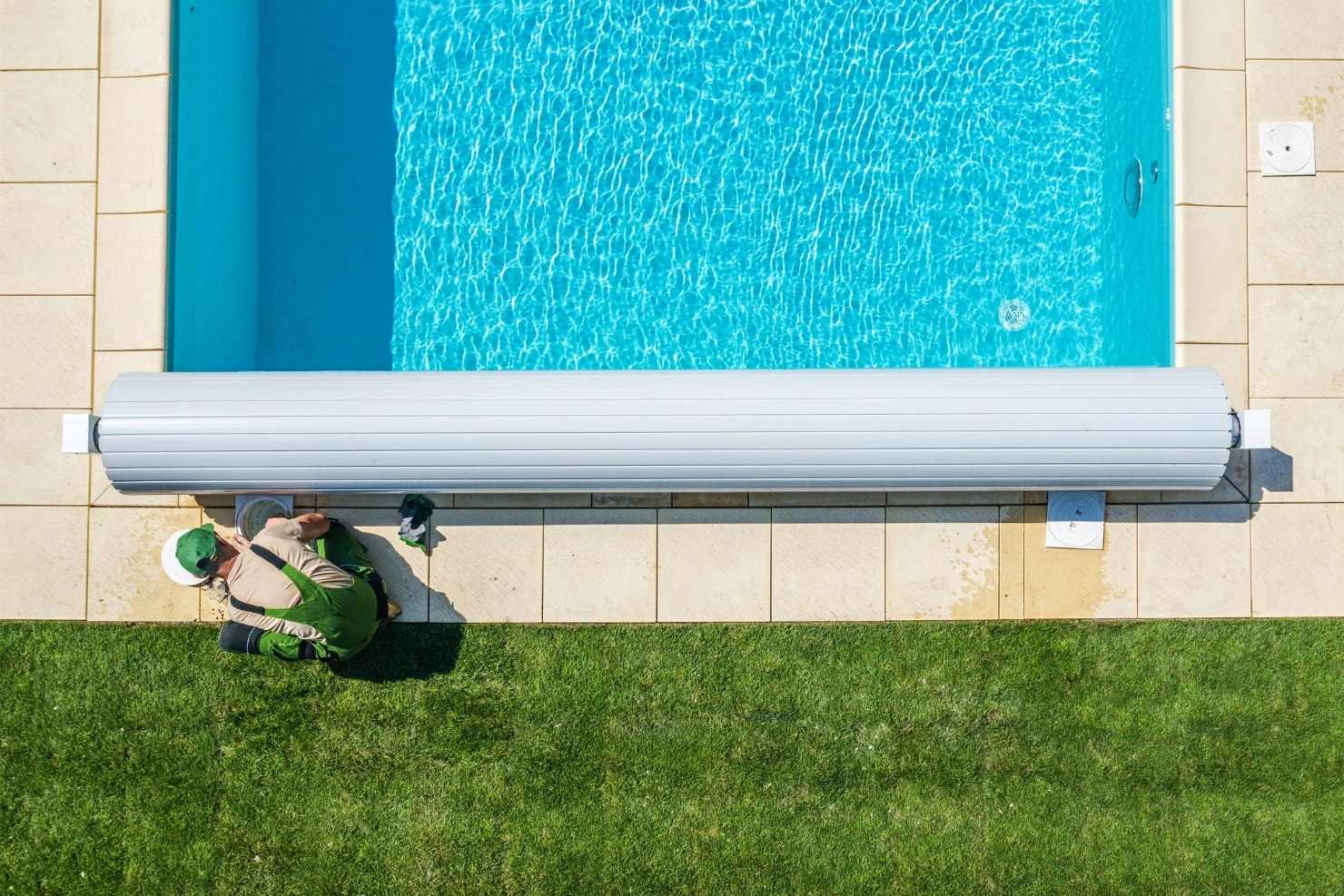
Pool protection works best when it happens before winter conditions arrive. Once leaves begin falling and temperatures start shifting, an uncovered pool can quickly collect debris, lose water balance, and become harder to manage.
Waiting too long can also make scheduling harder. Many homeowners close their pools around the same time, so measuring, ordering, and installing a safety cover can take longer during peak season.
Installing a pool safety cover before winter starts gives your pool a stronger layer of protection before heavy debris, rain, freezing nights, and off-season neglect become a problem.
What A Pool Safety Cover Actually Does
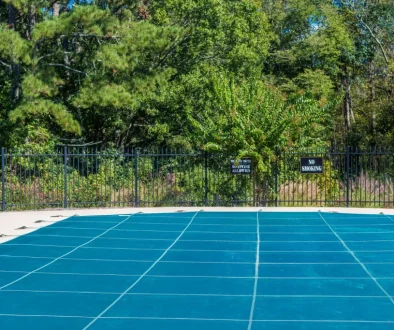
A pool safety cover does more than cover the water. It creates a tensioned barrier across the pool opening and helps protect the pool area during months when the pool is not being used.
Safety covers are different from loose tarps or basic winter covers. ASTM F1346 safety cover standards are intended to reduce drowning risk by limiting access to the water, especially for young children.
Adds Backyard Safety
A properly installed safety cover is pulled tight across the pool and secured to deck anchors. This tension helps the cover stay in place and gives it its protective function.
For families with children, pets, or frequent backyard visitors, this matters during the off-season. The pool may be closed, but the backyard is still accessible.
Blocks Debris
Leaves, twigs, branches, dirt, and other yard debris can stain pool surfaces and affect water quality. A safety cover helps keep most of that material out of the pool.
This is especially useful in DC Metro neighborhoods with mature trees, windy fall weather, and yards that collect leaves quickly.
Protects Pool Water
A good cover reduces the amount of sunlight and organic material entering the pool. That helps slow algae growth and reduces the cleanup needed when the pool opens again.
The cover does not replace proper winterization, but it supports the work done during pool closing.
Safety Cover Vs Standard Winter Cover
Not every pool cover provides the same level of protection. Some covers are made mainly to reduce debris, while safety covers are built for stronger off-season security.
| Cover Type | Best For | Main Limitation |
|---|---|---|
| Safety Cover | Safety, debris control, cleaner winter protection, long-term use | Requires accurate measuring, deck anchors, and proper tension |
| Standard Winter Cover | Basic seasonal coverage and debris reduction | Usually does not provide the same load-bearing safety protection |
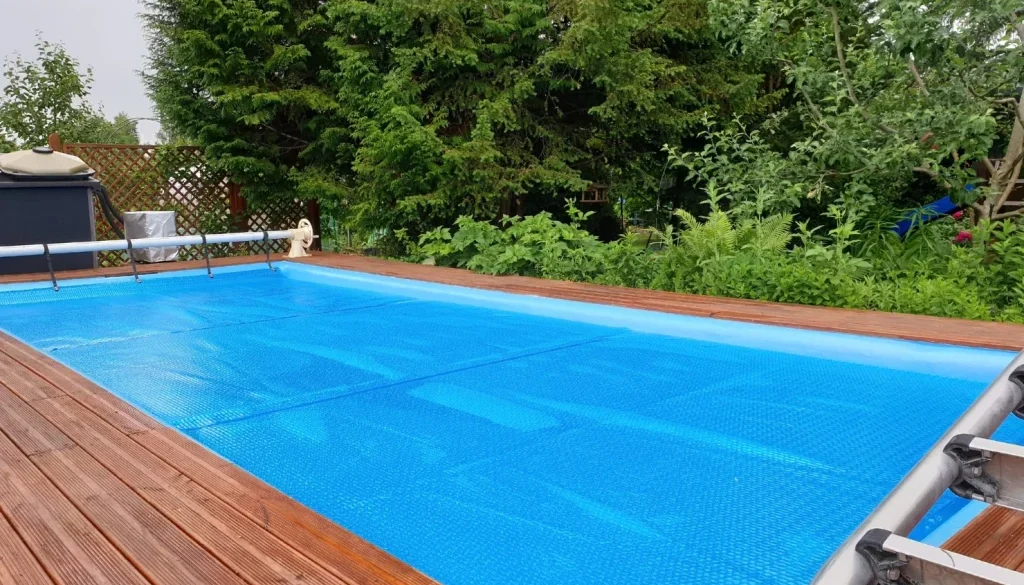
| Tarp-Style Cover | Lower-cost temporary pool coverage | Can sag, collect standing water, shift in storms, and need more upkeep |
A standard winter cover can help keep debris out, but it is not the same as an ASTM-rated safety cover. A safety cover needs proper installation, correct anchor placement, and the right fit to perform as intended.
What Makes A Safety Cover Worth The Investment
A pool safety cover is worth considering because it solves several off-season problems at once. It supports safety, cleanliness, water protection, and long-term pool care.
Homeowners often install one because it helps:
- Reduce off-season safety risks around the pool
- Keep leaves and debris out of the water
- Lower the amount of spring cleanup
- Limit sunlight exposure that can feed algae
- Protect the pool during rain, wind, and colder weather
- Keep the backyard looking cleaner through winter
- Reduce the chance of a sagging or shifting cover
- Support a smoother pool opening in spring
The value becomes clear when the pool is opened again. Less debris, fewer stains, and better winter protection can make spring service faster and more predictable.
Mesh Vs Solid Pool Safety Covers
Mesh and solid safety covers both protect the pool, but they work differently. The better option depends on your yard, pool shape, deck material, and how much winter maintenance you want to handle.
Both cover types can be good choices when installed correctly. The difference is how each one manages water, sunlight, and debris during the off-season.
Mesh Safety Covers
Mesh safety covers allow rain and melting snow to drain through the cover. This helps prevent water from collecting on top, which makes the cover lighter to manage at opening and closing.
Mesh covers block leaves and larger debris while allowing water to pass through. They are common for residential pools because they handle seasonal weather well and usually need less surface pumping.
Solid Safety Covers
Solid safety covers block water, debris, and sunlight more fully. Since sunlight is a major factor in algae growth, solid covers can help keep water cleaner during winter.
The tradeoff is surface water management. Since water does not drain through the cover, most solid covers need a cover pump to remove rainwater and melted snow.
Choosing The Fit
The right cover depends on your property. A pool surrounded by trees may need stronger debris control. A pool with algae problems may benefit from better sunlight blocking.
Deck material also matters. Concrete, pavers, and natural stone may each require different anchor planning. HQ Pool Services can help homeowners compare mesh and solid options based on the pool’s shape, deck condition, and off-season care needs.
Why Proper Fit And Installation Matter
A safety cover only works properly when it fits the pool correctly. It must be measured, cut, anchored, and tensioned according to the pool’s actual dimensions.
A cover that is too loose can sag. A cover that is too small may not anchor correctly. A cover with poor anchor spacing may not hold proper tension.
Professional installation matters because the installer must account for:
- Pool length, width, shape, and step placement
- Raised walls, spas, water features, or irregular edges
- Deck material and anchor depth
- Manufacturer spacing requirements
- Spring tension and cover alignment
- Drainage needs around the pool area
This is one reason custom-fit safety covers are often the better option for in-ground pools. Many DC Metro homes have unique pool layouts, paver decks, older concrete, or added features that require careful measuring.
Signs Your Pool Is Ready For A Safety Cover
Some homeowners wait until their old cover fails before replacing it. Others install a safety cover because their pool area has changed, their family needs have changed, or their winter maintenance has become harder.
Your pool may be ready for a safety cover if:
- The pool will be closed for several months
- Kids or pets have access to the backyard
- Heavy leaves fall near the pool every autumn
- The current cover sags, shifts, or collects water
- The cover no longer fits tightly
- You want less debris during spring opening
- You want a cleaner backyard appearance during winter
- The pool has an unusual shape that needs a custom cover
- You are replacing an older tarp or worn winter cover
A safety cover is especially useful for homeowners who want stronger protection without checking the pool constantly through the off-season.
When To Install A Pool Safety Cover Before Winter
The best time to plan safety cover installation is before peak pool closing season. This gives enough time for measuring, ordering, delivery, anchor installation, and final fitting.
Custom safety covers are not something to leave until the last minute. The pool must be measured accurately, and the cover must be made or selected to match those measurements.
In Maryland, Washington, DC, and Northern Virginia, homeowners should start thinking about safety cover installation before heavy leaf drop and freezing conditions. Earlier planning makes it easier to avoid scheduling delays and helps protect the pool before winter weather becomes consistent.
Pro Tip: Schedule safety cover installation before your pool closing date gets too close. A custom cover needs proper measurements, ordering time, anchor placement, and tension checks.
Why DC Metro Homeowners Benefit From A Safety Cover
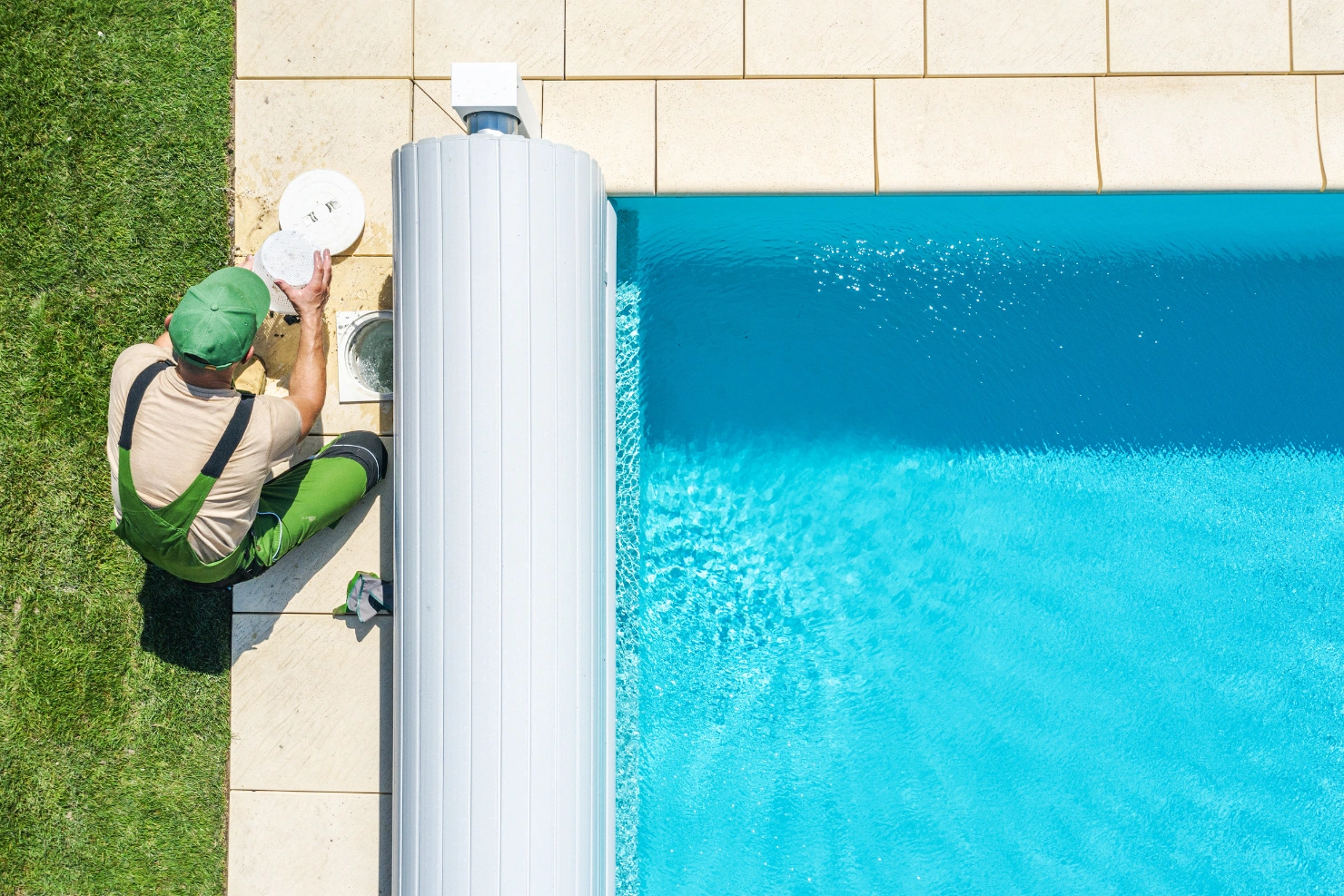
The DC Metro area has changing fall and winter conditions. Homeowners often deal with rain, heavy leaves, wind, freezing nights, and temperature swings.
A safety cover helps manage those seasonal challenges. It keeps the pool more secure when it is not in use and helps reduce the amount of debris that enters the water.
This is especially helpful in neighborhoods across Montgomery County, Howard County, Fairfax County, Washington, DC, and nearby Northern Virginia areas. Many homes have tree-lined yards, tight outdoor spaces, and pool decks that need a neat, secure winter setup.
A properly installed safety cover also gives the pool area a cleaner appearance. Instead of a loose tarp with water bags or standing water, the pool has a fitted cover anchored into the surrounding deck.
Work With HQ Pool Services For Safety Cover Installation
HQ Pool Services installs pool safety covers for homeowners across Maryland, Washington, DC, and Northern Virginia. Our team helps you choose the right option based on your pool shape, deck material, winter maintenance goals, and budget.
We install mesh and solid safety covers from trusted manufacturers and make sure each cover is measured and fitted correctly. The installation process includes pool measurement, cover selection, anchor placement, tensioning, and a final walkthrough so you know how the cover works.
A pool safety cover is not just another pool accessory. It is part of responsible off-season pool care. With the right cover in place, your pool is safer, cleaner, and better protected until spring returns.
Conclusion
A pool safety cover is worth installing before winter because it protects the pool when it is most likely to be ignored. It helps reduce safety risks, keeps debris out, limits algae growth, and supports an easier spring opening.
For DC Metro homeowners, early installation is the smart move. Request a quote from HQ Pool Services before winter starts and make sure your pool is covered, secure, and ready for the off-season.