Repeated Pool Shocking May Be Masking an Unresolved Water Balance Problem
Repeatedly shocking your pool may clear cloudy or green water for a short time, but the same problem can return days later. Adding more chlorine can seem like the obvious solution when water quality keeps slipping.
“But what if repeated pool shocking is treating the symptom instead of the real water balance problem?”
Incorrect pH, alkalinity, stabilizer, calcium hardness, or sanitizer levels can prevent pool water from staying stable. Finding the underlying chemistry issue can help homeowners maintain clearer, more comfortable water without constantly reaching for another bag of shock.
Key Takeaways
- Repeated shocking can hide chemistry problems.
- Balanced water improves chlorine performance consistently.
- High stabilizer can reduce chlorine effectiveness.
- Filtration problems can worsen cloudy water.
- Accurate testing prevents unnecessary chemical overcorrection.
When Repeated Pool Shocking Becomes A Warning Sign
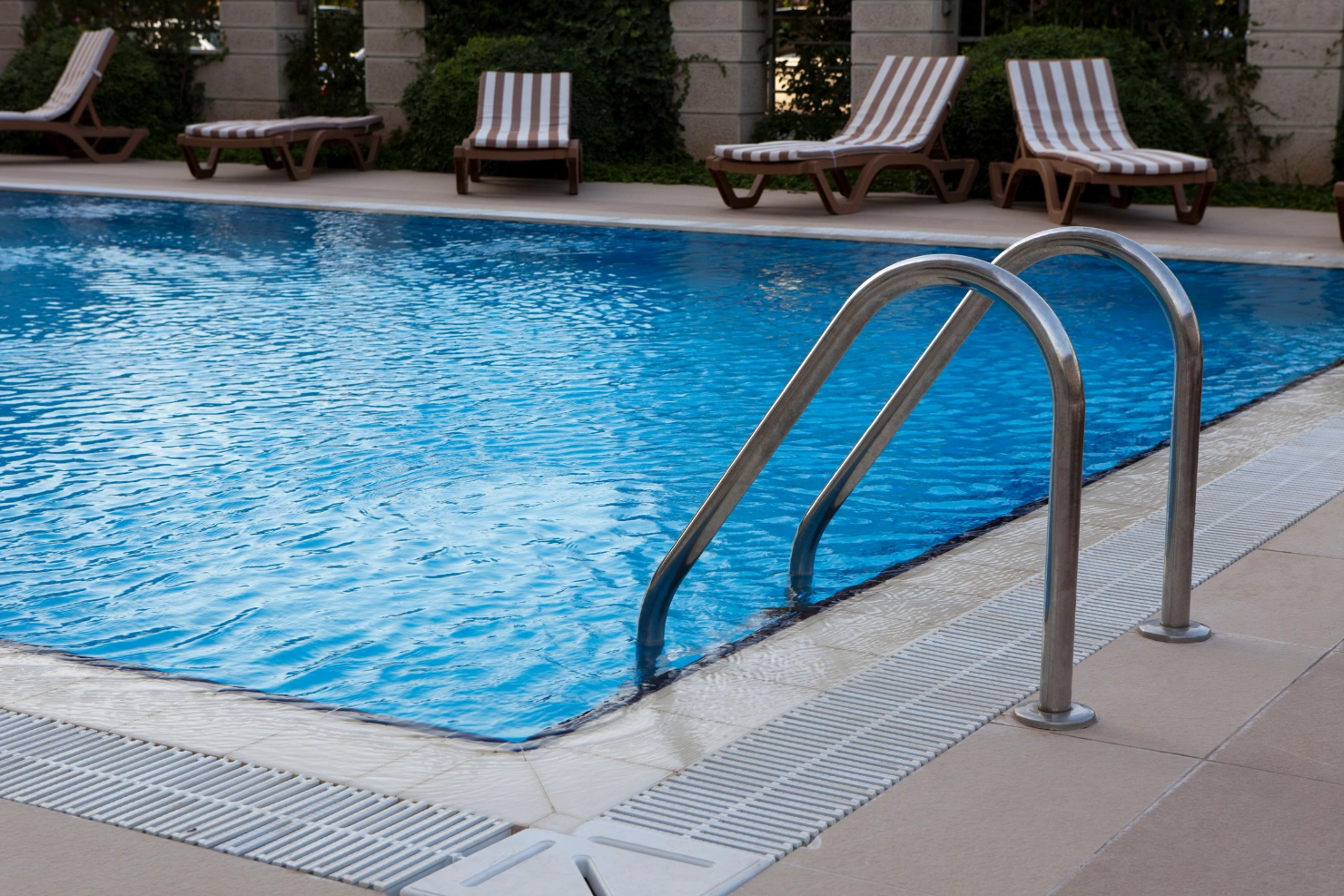
Pool shock can be useful when conditions require a rapid increase in chlorine. The concern starts when shocking becomes a routine response to water that repeatedly turns cloudy, develops algae, or struggles to maintain an adequate sanitizer residual.
A pool that improves after treatment and quickly develops the same problem is giving homeowners an important clue. Something may still be consuming chlorine, interfering with water balance, or preventing proper circulation and filtration.
Common warning signs include:
- Water clears after shocking but becomes cloudy again
- Algae repeatedly develops on walls or steps
- Free chlorine drops faster than expected
- Chemical readings change significantly between tests
- Strong chemical odors persist around the pool
- Homeowners feel they must shock every few days
CDC guidance emphasizes regularly testing chlorine and pH rather than relying on water appearance alone.
What Pool Shock Actually Does
Pool shocking generally refers to increasing the sanitizer concentration significantly for a limited period. Depending on the product and reason for treatment, it may help oxidize contaminants, address algae, or deal with elevated combined chlorine.
CDC guidance for aquatic facilities describes superchlorination, also called breakpoint chlorination, as one method used to reduce excessive chloramines. However, increasing chlorine does not automatically correct every condition that caused the water problem.
Shocking cannot permanently stabilize incorrect alkalinity, excessive stabilizer, filtration problems, poor circulation, or recurring contamination. Those issues require their own corrections.
Water Balance Problems That Can Keep Coming Back
Pool chemistry works as a system. Free chlorine, pH, total alkalinity, calcium hardness, and cyanuric acid influence water quality in different ways, so repeatedly changing one factor may leave the actual problem untouched.
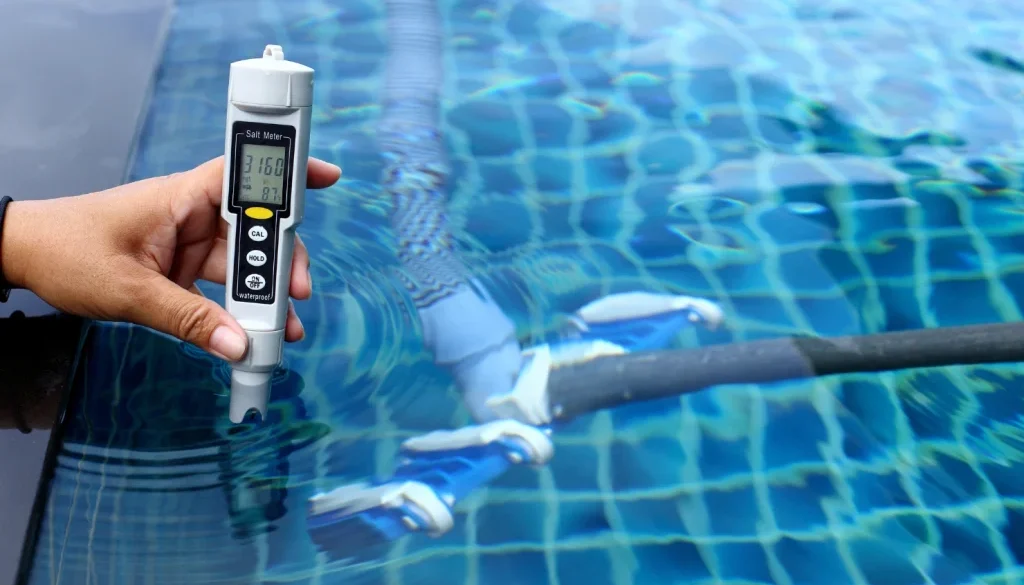
Testing several important parameters helps reveal why the pool keeps falling out of balance.
Incorrect pH Levels
pH affects swimmer comfort, equipment protection, and chlorine performance. The CDC recommends maintaining residential pool pH between 7.0 and 7.8. It also notes that chlorine becomes less effective at killing germs as pH rises, particularly above 8.0.
Very low pH creates a different concern. Acidic water can increase the potential for corrosion and damage to pool components, making repeated chemical corrections a poor substitute for restoring proper balance.
Unstable Total Alkalinity
Total alkalinity helps water resist rapid pH changes. When alkalinity is poorly controlled, homeowners may find themselves constantly adding products to raise or lower pH.
This cycle can make pool maintenance frustrating because yesterday’s correction may no longer hold today. Addressing the buffering capacity of the water helps create a more stable foundation before repeatedly chasing pH readings.
Excessive Cyanuric Acid
Cyanuric acid, commonly called stabilizer, helps protect chlorine from ultraviolet degradation in outdoor pools. However, more stabilizer is not always better.
The CDC notes that when cyanuric acid is present, higher minimum chlorine levels are needed and disinfection takes longer compared with otherwise similar water without cyanuric acid. Repeated use of stabilized chlorine products can therefore require closer attention to both CYA and free chlorine.
Low Sanitizer Residual
A chlorine reading that repeatedly falls can indicate that sanitizer demand is higher than expected. Sunlight, swimmer waste, dirt, and other contaminants can reduce chlorine concentration.
Instead of automatically adding shock, the better approach is to determine what is consuming the sanitizer and confirm the rest of the chemistry is within appropriate ranges.
Signs Shocking Is Treating The Symptom Instead
A single water problem does not automatically mean the pool needs more shock. Patterns matter more than one isolated test result.
When the same symptoms keep returning, homeowners should look beyond chlorine dosage and investigate the full pool system.
Signs that deserve closer attention include:
- Cloudiness returns shortly after treatment
- Green areas repeatedly develop in the same locations
- Chlorine readings quickly fall after dosing
- pH needs frequent correction
- Water causes recurring eye or skin discomfort
- A noticeable chlorine-like smell continues
- Chemical use keeps increasing without lasting improvement
A strong chlorine-like odor is especially misunderstood. The CDC explains that the smell people associate with excessive chlorine can actually come from chloramines, which form when chlorine reacts with substances swimmers introduce into the water.
Pool Conditions That Increase Chlorine Demand
Chlorine consumption changes with pool use and environmental conditions. Understanding these influences helps homeowners distinguish normal sanitizer demand from an ongoing chemistry problem.
The table below shows several common conditions that can affect chlorine demand or water stability.
| Pool Condition | What It Can Do |
|---|---|
| Strong sunlight | Breaks down unprotected chlorine faster |
| Heavy swimmer use | Introduces sweat, dirt, and other contaminants |
| Organic debris | Increases material chlorine must oxidize |
| Algae growth | Creates additional sanitizer demand |
| Poor circulation | Allows uneven sanitizer distribution |
| Dirty filtration system | Reduces removal of suspended contaminants |
| Heavy rain | Can dilute water and change chemistry readings |
The CDC specifically identifies sunlight, sweat, dirt, and swimmer waste among factors that can reduce chlorine concentration.
The Role Of Filtration And Circulation
Chemical treatment is only one part of maintaining clear pool water. The circulation system moves treated water throughout the pool, while the filter removes suspended material that chemicals alone cannot physically remove.
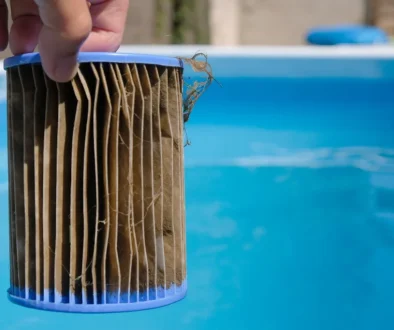
Poor circulation can create areas where sanitizer does not distribute effectively. Dirty or poorly functioning filters can also allow fine debris to remain suspended, contributing to cloudy water even after chlorine has been increased.
Homeowners dealing with recurring problems should check:
- Pump operation and runtime
- Filter pressure
- Filter cleanliness
- Return jet flow
- Skimmer performance
- Areas with weak water movement
Chemical treatment becomes much more effective when circulation and filtration are working correctly.
Chemical Overcorrection Can Create New Problems
Adding several chemicals without accurate test results can create a cycle of correction and overcorrection. One product raises a reading too far, another is added to lower it, and water chemistry becomes increasingly difficult to stabilize.
Pool chemicals also require careful handling. The CDC warns that incompatible pool chemicals can cause injuries when mixed and recommends following manufacturer labels, storing chemicals separately, and using appropriate handling practices.
Common mistakes include adding chemicals before testing, estimating pool volume incorrectly, applying several adjustments at the same time, and failing to allow adequate circulation before retesting.
Pro Tip: Before adding another shock treatment, test the full water chemistry and review recent chemical use. A recurring chlorine problem may make more sense once pH, alkalinity, stabilizer, circulation, and filtration are considered together.
What Proper Water Balancing Should Address
Successful water balancing is about maintaining stable chemistry instead of creating temporary improvements. Testing provides the information needed to determine which adjustment should happen first and how much treatment is actually required.
A careful balancing process should address:
- Current sanitizer concentration
- pH
- Total alkalinity
- Calcium hardness
- Cyanuric acid when applicable
- Pool volume
- Surface type
- Recent chemical additions
- Circulation and filtration
- Seasonal and swimmer conditions
CDC guidance recommends routinely testing chlorine and pH and increasing testing frequency when pools receive heavier use. Consistent testing makes trends easier to identify before water quality deteriorates.
When Professional Water Balancing Makes Sense
Homeowners can handle many routine pool-care tasks, but recurring water problems deserve a more complete evaluation. Constant chemical use can become expensive without solving the cause.
Professional testing can be especially useful when algae keeps returning, chlorine will not hold, multiple chemistry readings are outside their desired ranges, or the water remains cloudy after repeated treatments.
It can also help when homeowners are unsure about treatment quantities or chemical sequence. Correct dosing depends on factors such as pool volume and existing water chemistry, making accurate testing important before adjustments are made.
Keep Pool Water Stable Instead Of Constantly Shocking It
Repeated pool shocking should not become the default solution every time the water turns cloudy, chlorine drops, or algae returns. Those symptoms can point to a larger issue involving chemistry, circulation, filtration, contamination, or several factors working together.
HQ Pool Services provides professional pool chemical treatment and water balancing for homeowners across DC, Maryland, and Northern Virginia. Accurate testing and measured corrections can help restore stable water without the endless cycle of adding more chemicals and hoping the problem disappears.