Pool Filter Repair Versus Replacement: Making the Right Long-Term Decision
A pool filter plays a major role in keeping water clear, circulation steady, and debris under control. When pressure rises, water flow weakens, or dirt starts returning to the pool, the filter may need professional attention.
“But is repairing the damaged part enough, or would replacing the entire filter provide better long-term value?”
Understanding the filter’s age, condition, repair cost, and overall performance can help homeowners avoid repeated problems. This guide explains when pool filter repair makes sense, when replacement becomes the smarter choice, and what to consider before making a decision.
Key Takeaways
- Filter age strongly affects repair decisions.
- Cracked tanks usually require complete replacement.
- Repeated repairs can increase long-term costs.
- Proper filter sizing improves circulation efficiency.
- Professional inspections identify the actual problem.
Understanding What a Pool Filter Does
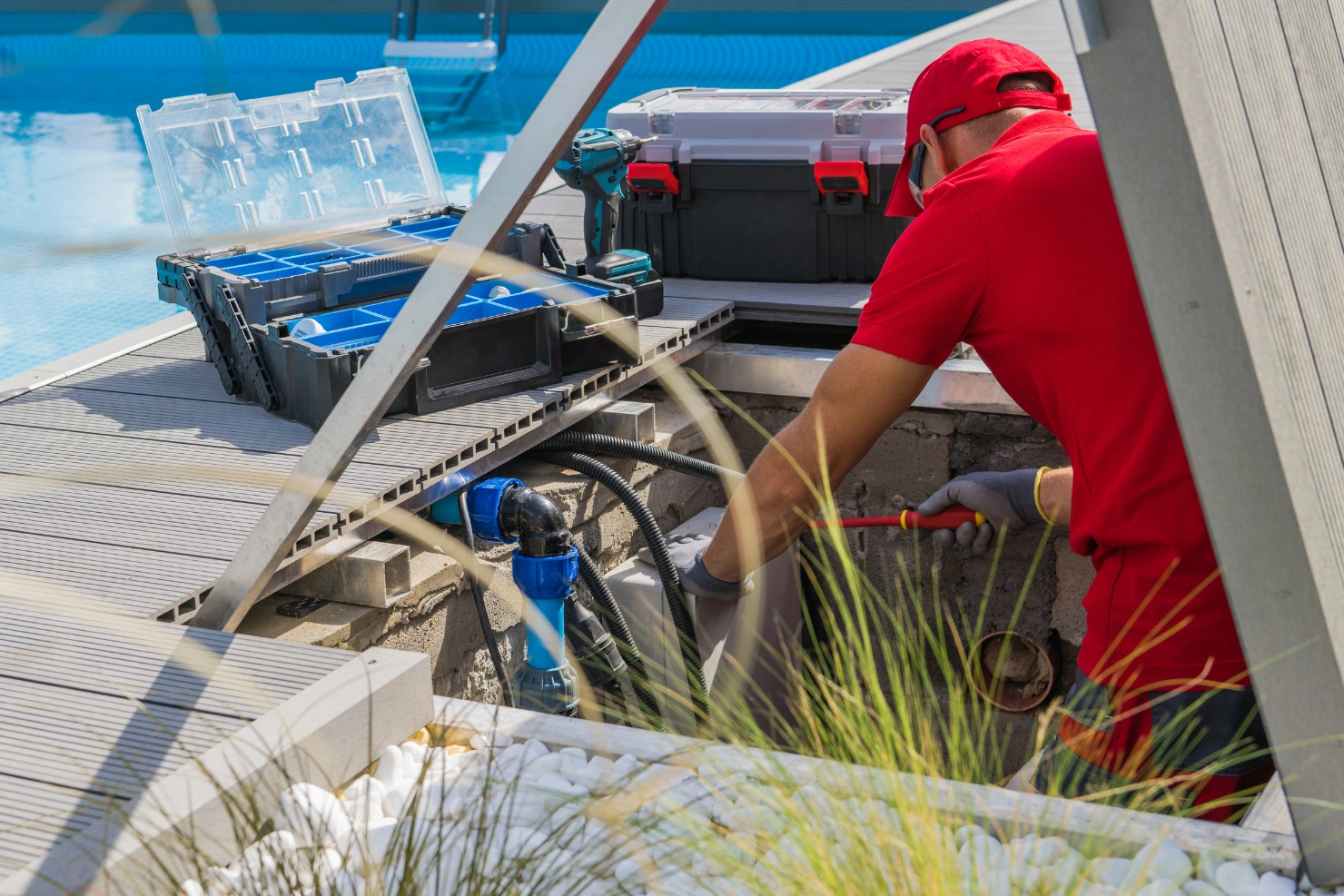
A pool filter works with the pump and plumbing system to remove suspended debris from circulating water. It does not replace proper chemical balance, but it helps chemicals work more effectively by removing dirt, oils, insects, and other contaminants.
Water Circulation
The pump pulls water from the pool through the skimmer and main drain. Water then passes through the filter before returning through the pool jets.
When the filter becomes clogged or damaged, circulation can slow. This may create dead spots where algae and debris collect.
Debris Removal
Filters capture particles that are too small to remove with a skimmer net. The level of filtration depends on whether the pool uses a cartridge, sand, or diatomaceous earth filter.
Damaged internal parts can allow trapped material to return to the pool.
Water Clarity
Clear pool water depends on filtration, circulation, sanitation, and balanced chemistry working together. Even properly treated water may remain cloudy when the filter cannot remove suspended particles.
Common Pool Filter Problems Homeowners Notice
Filter problems often develop gradually. A pool may look slightly cloudy at first, followed by pressure changes, weak return flow, or debris returning through the jets.
Common warning signs include:
- Cloudy water that remains after treatment
- High readings on the filter pressure gauge
- Weak water flow from return jets
- Frequent backwashing or cartridge cleaning
- Dirt blowing back into the pool
- Water leaking from the filter housing
- Air entering the circulation system
- Cracks around the tank or fittings
- Unusual noises near the filter equipment
These symptoms do not always mean the entire filter has failed. A blocked basket, faulty valve, clogged cartridge, or pump problem can create similar issues.
What Pool Filter Repair Usually Covers
Many filter problems come from individual components that can be replaced without removing the entire system. A professional inspection helps identify whether the damage is limited or more extensive.
Damaged Valves
Multiport valves control functions such as filtering, backwashing, rinsing, and waste discharge on certain filter systems. Worn gaskets, broken handles, and internal seal damage can cause leaks or allow dirty water to bypass the filter.
Worn Internal Parts
Cartridge elements, DE grids, sand filter laterals, manifolds, O-rings, and seals wear down over time. Replacing these parts may restore normal filtration when the tank remains structurally sound.
Pressure Problems
A clogged filter can cause pressure to rise above its normal operating level. A damaged gauge may also give an inaccurate reading.
Pressure problems can also come from closed valves, restricted plumbing, or poor system flow, so the gauge reading should be considered with the rest of the equipment.
Minor Water Leaks
Leaks near fittings, drain plugs, unions, and lid seals may be repairable. Cracks in the main pressure vessel are more serious and usually require replacement rather than patching.
When Pool Filter Repair Makes Sense
Repair is often the better choice when the system is still in good overall condition. A targeted repair can restore reliable performance without the expense of replacing equipment that still has useful service life.
Repair may be practical when:
- The filter is relatively new
- The tank has no structural cracks
- Only one component has failed
- Replacement parts remain available
- The filter is properly sized
- The repair cost is reasonable
- The unit performed well before the problem
- The issue has not happened repeatedly
A repair should correct the underlying cause, not simply reduce the visible symptoms for a few weeks.
When Pool Filter Replacement Becomes the Better Choice
Replacement often provides better long-term value when the filter has structural damage, recurring failures, or poor compatibility with the rest of the circulation system.
Cracked Filter Tank
A filter tank operates under pressure. A cracked tank, damaged clamp assembly, or weakened housing can create a serious safety concern.
Pressure vessels should not be repaired with temporary sealants or improvised patches. Replacing the damaged unit is generally the safer approach.
Repeated Breakdowns
Frequent repairs can become expensive, especially when multiple internal parts are deteriorating. A filter that repeatedly leaks, clogs, or allows debris to return may be nearing the end of its useful life.
Aging Equipment
Older filters may have brittle plastic components, corrosion, worn seals, or discontinued parts. Even when one repair is possible, future failures may follow quickly.
Poor Filter Sizing
An undersized filter may need frequent cleaning and may operate at higher pressure. Replacing it with a properly sized model can improve circulation and reduce maintenance demands.
Pump Compatibility
A filter must handle the flow produced by the pump. A new or upgraded pump may exceed the filter’s rated flow capacity, creating pressure and performance problems.
Pool Filter Repair Versus Replacement
The best choice depends on more than the initial price. Homeowners should compare equipment age, damage, parts availability, maintenance history, and future performance.
| Decision Factor | Repair May Be Better | Replacement May Be Better |
|---|---|---|
| Filter Age | Unit is relatively new | Unit is near the end of service life |
| Damage Level | One replaceable part failed | Tank or several parts are damaged |
| Repair History | First significant problem | Multiple repairs have already occurred |
| Parts Availability | Parts are easy to source | Parts are discontinued or difficult to find |
| System Sizing | Filter matches the pool and pump | Filter is undersized or poorly matched |
| Performance | Filtration was reliable before failure | Water clarity and flow remain poor |
| Total Cost | Repair is substantially less expensive | Repair cost approaches replacement cost |
This comparison helps homeowners consider the long-term outcome rather than selecting the lowest immediate cost.
The Long-Term Cost of Repeated Repairs
An inexpensive repair can seem appealing, but repeated service calls may cost more than replacing an aging filter. Poor filtration may also increase cleaning time and make water balance harder to maintain.
Ongoing filter problems can lead to:
- More frequent chemical adjustments
- Additional cartridge or media cleaning
- Longer pump operating times
- Increased strain on circulation equipment
- Recurring cloudy water
- Repeated replacement of seals or internal parts
- Lost swimming time during repairs
Replacement may be more economical when the same problem continues returning.
Choosing the Right Replacement Pool Filter
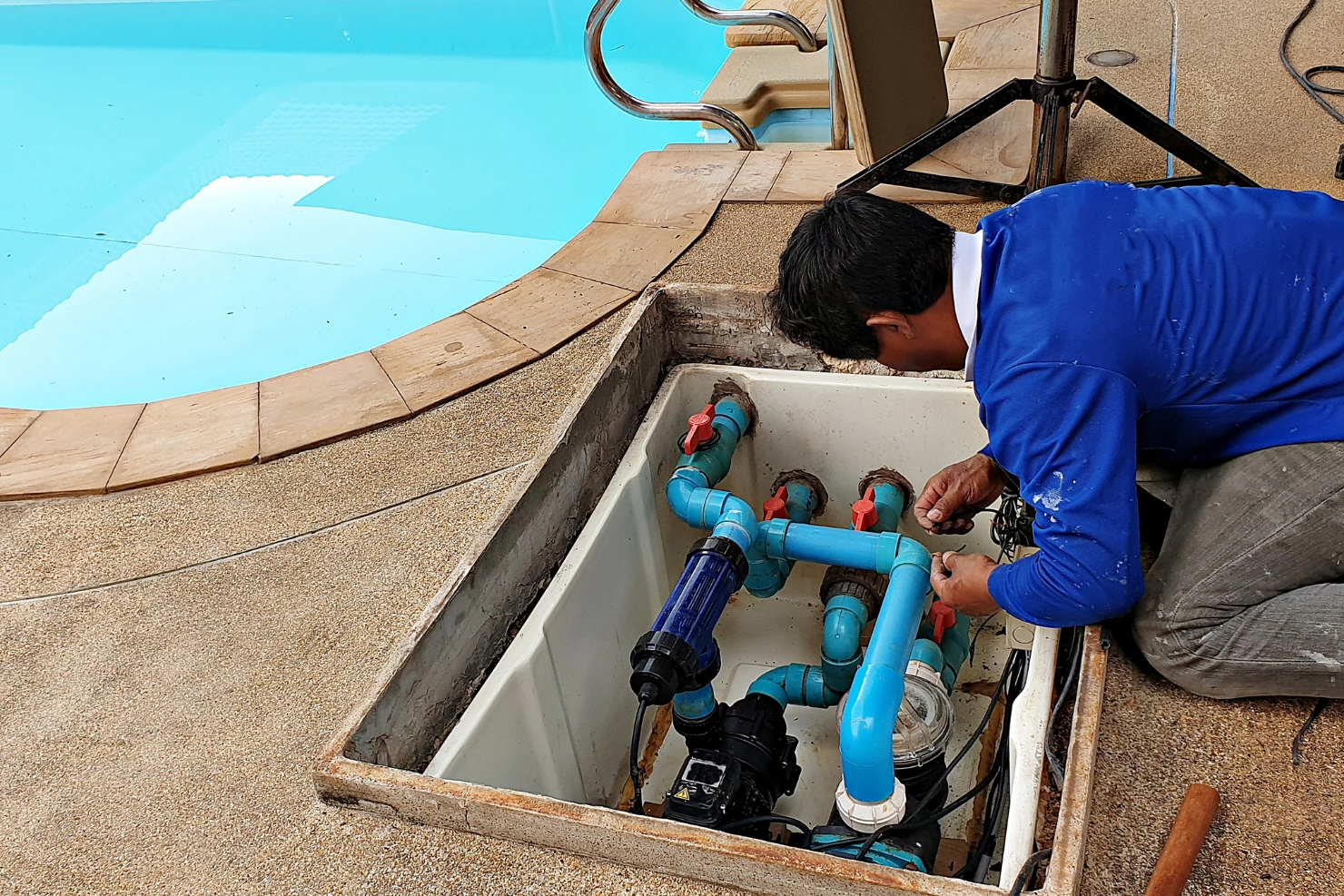
Pool filters come in several designs, and each one has different maintenance requirements. The best option depends on the pool size, surrounding environment, plumbing, and homeowner preferences.
Cartridge Filters
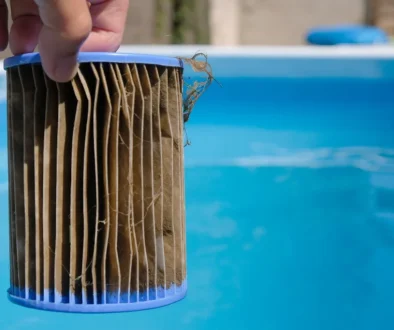
Cartridge filters use pleated elements to capture debris. They are cleaned by removing the cartridge and rinsing it with a hose.
They do not require routine backwashing, which can reduce water waste. Cartridges eventually need replacement as the material wears, tears, or becomes difficult to clean.
Sand Filters
Sand filters move water through a tank filled with filter-grade sand or another approved media. They are durable and generally simple to operate.
Cleaning is usually completed through backwashing. The filter media may need replacement when it becomes worn, calcified, or unable to filter effectively.
DE Filters
Diatomaceous earth filters use coated grids to capture very fine particles. They can provide excellent water clarity but typically require more involved maintenance.
Damaged grids or manifolds can allow DE powder to enter the pool. Local rules may also affect how backwash water and used DE material should be handled.
Matching Filter Size to Pool Needs
Filter sizing affects pressure, cleaning frequency, and water quality. A replacement should be selected based on system requirements rather than simply matching the dimensions of the old tank.
Important sizing factors include:
- Pool volume
- Pump flow rate
- Filter flow rating
- Plumbing diameter
- Pool use frequency
- Surrounding trees and landscaping
- Seasonal debris levels
- Preferred cleaning schedule
A larger filter area can often hold more debris before cleaning is required. However, the entire system must still be matched correctly.
Pro Tip: Record the pressure gauge reading immediately after a clean filter is installed or serviced. This becomes the system’s normal baseline. A noticeable increase from that clean-pressure reading often indicates that the filter needs cleaning or that water flow is becoming restricted.
The Role of the Pump and Plumbing System
A filter may appear to be failing even when the actual problem is elsewhere. The pump, valves, baskets, and plumbing all influence pressure and circulation.
Potential system problems include:
- A clogged skimmer basket
- A blocked pump basket
- A dirty pump impeller
- A closed or damaged valve
- A suction-side air leak
- Restricted return plumbing
- Incorrect pump speed
- An oversized pump
- A low pool water level
A complete inspection prevents unnecessary filter replacement and helps ensure the recommended repair addresses the real cause.
What Happens During a Professional Filter Inspection
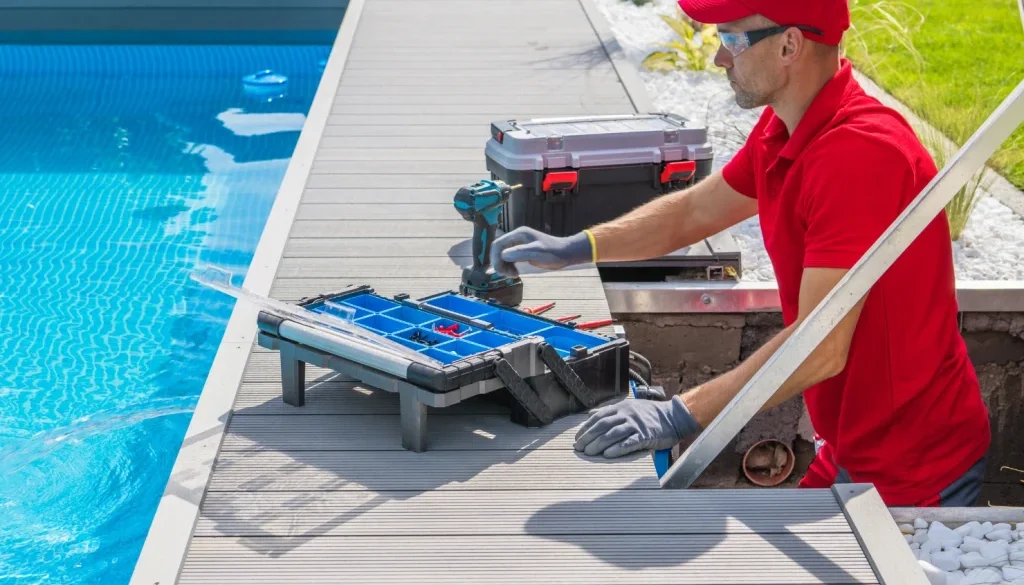
A professional inspection examines how the filter performs within the full circulation system. The process should include more than looking for obvious leaks.
A technician may:
- Inspect the tank, clamps, lid, and fittings
- Check the pressure gauge
- Evaluate water flow at the returns
- Inspect valves and seals
- Open the filter and examine internal parts
- Check cartridge elements, grids, sand, or laterals
- Look for air and water leaks
- Compare the filter rating with pump output
- Review previous repair problems
The findings should make it clear whether repair or replacement offers better value.
Questions to Ask Before Making a Decision
Homeowners should understand the condition of the equipment before approving work. Clear answers make it easier to compare immediate costs with expected service life.
Ask questions such as:
- How old is the filter?
- Which component has failed?
- Is the tank still structurally safe?
- Are replacement parts available?
- Is the filter properly sized?
- Has this issue caused other damage?
- How long should the repair last?
- What does a replacement include?
- Will the new filter work with the current pump?
A reliable recommendation should explain the reason behind the proposed solution.
Protecting the Filter After Service
Proper care can extend the life of a repaired or newly installed filter. Maintenance should be based on pressure, debris load, and pool use rather than a single fixed schedule.
Monitor Filter Pressure
Check the gauge regularly and compare it with the clean-filter baseline. A rapid rise may indicate heavy debris, clogged media, or restricted circulation.
Clean As Needed
Cleaning too rarely can reduce water flow. Cleaning too aggressively or using improper tools can damage cartridges and internal components.
Balance Pool Water
Poorly balanced water can contribute to scale, corrosion, and buildup inside the filtration system. Routine testing protects both the pool surface and equipment.
Inspect Equipment Regularly
Check for leaks, cracks, weak return flow, damaged valves, and unusual pressure changes. Early repairs may prevent larger failures.
Making the Best Long-Term Decision
The right choice depends on filter age, structural condition, repair history, system sizing, and expected future performance. Repair is often sensible when one replaceable component has failed and the rest of the filter remains sound.
Replacement usually makes more sense when the tank is damaged, repairs keep returning, parts are unavailable, or the filter no longer matches the pool and pump. Considering the complete system helps prevent wasted money and recurring water problems.
Restore Reliable Pool Filtration
A dependable filter keeps water moving, captures debris, and supports consistent pool care. HQ Pool Services provides pool filter repair and replacement for homeowners across Maryland, Northern Virginia, and the DC Metro area.
Our team inspects the equipment, identifies the real cause of the problem, and explains practical repair or replacement options. Contact HQ Pool Services to request a quote and restore reliable filtration for your pool.