Saltwater Pool Service Keeps Chlorine Generators Working During Peak Swim Season
Saltwater pools can make summer maintenance feel easier, but the chlorine generator still needs the right conditions to work properly. During peak swim season, heavy use, heat, rain, and changing water chemistry can push the system out of balance faster than many homeowners expect.
“Is your saltwater pool really producing enough chlorine to keep the water clear every day?”
Saltwater pool service helps protect the generator, clean the salt cell, correct salinity levels, and prevent cloudy water, algae, and warning alerts before they interrupt your swim season.
Key Takeaways
- Salt cells need regular professional cleaning.
- Salinity must stay within proper range.
- Cloudy water signals generator performance issues.
- Balanced chemistry protects saltwater pool equipment.
- Routine service prevents peak-season breakdowns.
What Saltwater Pool Service Really Does

Saltwater pool service is more than pouring salt into the water. The system depends on several working parts, including the salt cell, control panel, sensors, pump, filter, and water chemistry.
A saltwater chlorine generator uses dissolved salt in the pool water to produce chlorine through electrolysis. That chlorine sanitizes the pool like traditional chlorine, but it is created inside the system instead of being added manually every time. When one part of the system stops working properly, chlorine output can drop.
Professional saltwater pool service usually includes:
- Testing salinity levels
- Inspecting the salt cell
- Checking generator settings
- Cleaning calcium scale from the cell when needed
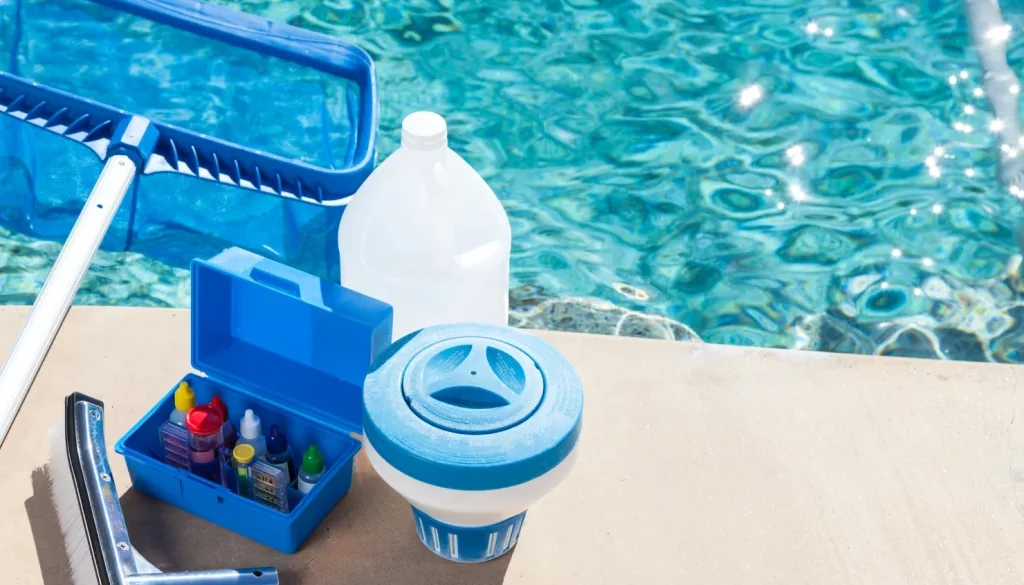
- Testing chlorine, pH, alkalinity, stabilizer, and calcium hardness
- Checking flow and circulation
- Reviewing warning lights or error codes
- Looking for early signs of cell wear or control issues
For homeowners, this service helps keep the pool clear and the generator working during the busiest months of the year.
Peak Swim Season Puts More Pressure On Saltwater Systems
Summer conditions can quickly increase the amount of sanitizer a pool needs. More swimmers, hotter weather, strong sunlight, sunscreen, body oils, leaves, and rainwater all affect water quality.
A saltwater generator can only produce chlorine within its rated capacity. During heavy use, the pool may consume chlorine faster than the generator can replace it. That is when water can start looking dull, cloudy, or green.
Heavy rain can also dilute salinity and shift water balance. Hot weather can increase chlorine demand. Strong sun can break down chlorine faster when stabilizer levels are too low. These changes do not always mean the system is broken, but they do mean the system needs proper testing and adjustment.
HQ Pool Services helps homeowners across the DC Metro area, Maryland, and Northern Virginia keep saltwater pools ready for regular summer use.
Common Signs Your Chlorine Generator Needs Attention
Saltwater systems often show warning signs before the pool becomes a bigger problem. Catching these signs early can help prevent algae growth, cloudy water, or a failed swim weekend.
Watch for these common issues:
- Cloudy or dull-looking water
- Green algae on walls, steps, or corners
- “Low salt” alerts on the generator
- “Inspect cell” warnings
- Low chlorine readings after the system runs
- White or crusty scale on the salt cell
- Frequent need for manual chlorine
- Generator running but sanitizer staying low
- Unusual flow warnings
- Pool water that feels slippery or smells strong
A strong chlorine smell does not always mean there is too much chlorine. It can sometimes point to poor sanitation or combined chlorine, which forms when chlorine reacts with contaminants. Testing is the best way to know what is happening.
Salt Cell Cleaning Keeps Chlorine Production Stable
The salt cell is one of the most important parts of a saltwater pool system. Inside the cell, coated metal plates help convert dissolved salt into chlorine.
Over time, calcium scale can form on those plates. This is more common when pH, alkalinity, or calcium hardness stays too high. Scale makes it harder for the cell to produce chlorine efficiently.
Scale Blocks Plates
Calcium scale can reduce contact between the water and the cell plates. When that happens, the generator may produce less chlorine even while it appears to be running.
A scaled cell can also trigger warning lights. Some systems may show “inspect cell,” “check cell,” or low output alerts. The message depends on the equipment brand.
Cleaning Restores Output
Proper cell cleaning removes mineral buildup so the cell can operate more efficiently. Cleaning should be done carefully because harsh methods can damage the cell coating.
Most manufacturers recommend inspecting the cell regularly and cleaning it only when scale is visible. Over-cleaning with acid can shorten cell life, so a professional inspection helps avoid unnecessary wear.
Damage Can Be Avoided
Cell damage often starts with ignored scale, poor chemistry, or repeated chemical overcorrection. A salt cell is not meant to last forever, but regular service can help protect it from avoidable failure.
If the cell is worn out, cleaning will not fully restore chlorine production. In that case, diagnosis matters because the real solution may be replacement, not more chemicals.
Correct Salinity Helps The Generator Work Properly
Saltwater pools need the right salt level to produce chlorine. Each chlorine generator has a manufacturer-recommended salinity range, often around 2,700 to 3,500 parts per million, depending on the system.
When salt is too low, chlorine production may drop. The generator may shut down or display a warning. When salt is too high, the system may also show errors or place extra stress on equipment.
Homeowners should not automatically add salt every time a low salt light appears. A dirty cell, cold water, sensor problem, or control issue can sometimes cause the system to misread salinity. Adding salt without testing can make the pool over-salted.
Professional service includes independent water testing so the actual salt level can be compared with the generator reading. This helps prevent guesswork.
Water Chemistry Still Matters In A Saltwater Pool
A saltwater pool is still a chlorine pool. The chlorine is generated from salt, but the water still needs proper balance to stay clean, comfortable, and safe for pool surfaces and equipment.
Several chemistry factors affect performance:
- pH: High pH can reduce chlorine effectiveness and encourage scale.
- Alkalinity: High alkalinity can make pH harder to control.
- Stabilizer: Cyanuric acid helps protect chlorine from sunlight.
- Calcium Hardness: High calcium can increase scale risk.
- Free Chlorine: This shows available sanitizer in the water.
- Phosphates And Debris: These can contribute to algae pressure if sanitation is weak.
Saltwater pools often experience rising pH because of the chlorine generation process. That is why routine testing and adjustment matter, especially in warm weather.
Saltwater Pool Problems And What They May Mean
Some saltwater pool problems look simple at first, but they can have several causes. A table helps show the difference between symptoms, likely causes, and the service needed.
| Pool Problem | Possible Cause | Service Needed |
|---|---|---|
| Cloudy water | Low chlorine output, poor filtration, or unbalanced water | Water testing and generator inspection |
| Green algae | Weak sanitizer levels or poor circulation | Chlorine correction and system check |
| Low salt alert | Low salt, dirty cell, cold water, or sensor issue | Salinity test and control check |
| Inspect cell warning | Calcium scale, cell wear, or dirty plates | Salt cell inspection and cleaning |
| White scale buildup | High pH, high calcium, or poor balance | Chemistry correction and cell cleaning |
| Generator runs but chlorine stays low | Dirty cell, poor flow, worn cell, or undersized output | Full system diagnosis |
| Strong chlorine smell | Combined chlorine or poor sanitation | Water testing and oxidation treatment |
This is why saltwater pool service should look at the full system, not just one warning light.
Generator Warnings Should Not Be Ignored
Generator warnings are early clues. They help homeowners know when the system needs attention before water quality drops.
A “low salt” alert may mean the water truly needs salt. It may also mean the cell is dirty, the sensor is misreading, or the water temperature is affecting the reading. An “inspect cell” warning may point to scale buildup, cell age, or an overdue inspection.
Ignoring these alerts can lead to weak chlorine production. Once chlorine drops too low, algae can grow quickly in warm water. The pool may then need extra treatment, brushing, filtration, and chemical correction to recover.
Prompt service can often solve the problem before the pool turns green.
Circulation Problems Can Affect Chlorine Production
Saltwater systems depend on proper water flow. If water is not moving correctly through the generator, the system may reduce output or shut off for safety.
The generator needs steady flow so the cell can produce chlorine and distribute it throughout the pool. Poor circulation can create dead spots where algae grows, even if the equipment appears to be working.
Filter Restrictions
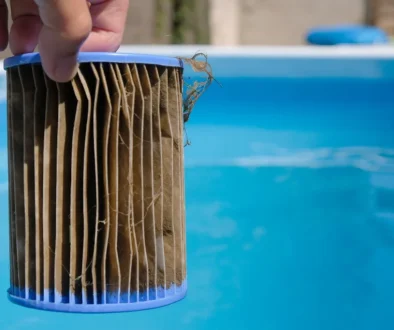
A dirty filter can reduce flow through the system. When flow drops too low, the generator may show a flow warning or stop producing chlorine.
Regular filter cleaning supports saltwater system performance. It also helps remove fine debris that can contribute to cloudy water.
Flow Sensor Issues
Many saltwater systems use a flow switch or sensor to confirm water movement. If the sensor fails or becomes dirty, the generator may not run correctly.
A flow warning should not be ignored. It may point to a blocked line, dirty filter, pump issue, valve setting problem, or faulty sensor.
Pump Performance
The pump must run long enough each day for the generator to produce the needed chlorine. Short run times can lead to low sanitizer levels, especially during peak swim season.
Variable-speed pumps may also need proper programming. If the speed is too low, the salt system may not detect enough flow.
Pro Tip: Before adding salt after a low salt warning, test the water with an independent salt test and inspect the cell for scale. A dirty cell or sensor issue can create a misleading reading.
Professional Saltwater Pool Service Prevents Bigger Repairs
Routine saltwater pool service helps prevent small issues from turning into expensive repairs. The goal is to keep the generator producing, the cell protected, and the water balanced.
A professional visit can identify:
- Dirty or scaled salt cells
- Salinity outside the proper range
- Low chlorine production
- Flow problems
- Control panel warnings
- Sensor issues
- Poor water balance
- Early signs of cell wear
- Filter or circulation problems
This matters because the salt cell and generator are key equipment pieces. Replacing them can cost more than routine maintenance. Regular service helps homeowners get more reliable performance from the system.
HQ Pool Services provides saltwater pool system service for homeowners who want clear water without guessing at chemical corrections or equipment warnings.
Homeowner Maintenance Between Service Visits
Homeowners can help protect their saltwater pool system between professional service appointments. Small habits can make a big difference during peak swim season.
Helpful steps include:
- Test chlorine and pH weekly
- Keep leaves and debris out of the pool
- Empty skimmer and pump baskets
- Watch for generator alerts
- Check water clarity after storms
- Brush pool walls and steps
- Keep water level at the proper height
- Avoid adding salt without testing
- Schedule service when warnings repeat
Saltwater pools still need regular attention. The difference is that the chlorine generator handles part of the sanitation process when the system is clean, balanced, and working correctly.
Saltwater Pool Service Across DC, Maryland, And Northern Virginia
Saltwater pools in the Washington DC Metro area face seasonal pressure. Hot summers, humidity, thunderstorms, pollen, leaves, and heavy backyard use can all affect pool chemistry and equipment performance.
Homeowners across Maryland, Northern Virginia, and DC often notice saltwater problems during the busiest part of summer. The pool may look fine one week and cloudy the next. A warning light may appear after rain. Algae may show up after a weekend of heavy use.
HQ Pool Services helps inspect, clean, and maintain saltwater systems so homeowners can avoid unnecessary downtime. Service can include salt cell cleaning, salinity correction, chlorine generator checks, water testing, and circulation review.
Keep Your Saltwater Pool Ready For Peak Swim Season
A saltwater pool can be convenient, but it is not maintenance-free. The chlorine generator needs clean cell plates, correct salinity, balanced water, and proper circulation to keep producing sanitizer.
Saltwater pool service helps prevent cloudy water, algae, low chlorine, and repeated generator warnings. With the right maintenance, homeowners can protect their equipment and enjoy clearer water through the busiest months of the season.
For homeowners across DC, Maryland, and Northern Virginia, HQ Pool Services provides saltwater pool system service that keeps chlorine generators working when pools need them most. Schedule your saltwater pool service today to keep your water clean, balanced, and ready for summer use.