Wet Spots Around Your Pool Could Signal an Underground Leak
Wet soil, soggy grass, or unexplained damp areas around your pool can be more than a drainage problem. These signs may point to water escaping from underground plumbing, fittings, or other hidden parts of the pool system.
“Could that persistent wet spot near your pool be caused by a leak you cannot see?”
Underground leaks can waste water, make pool chemistry harder to maintain, and contribute to soil erosion around the pool if they continue unnoticed.
Finding the source early can help prevent unnecessary water loss and more extensive damage. Professional pool leak detection can determine whether the problem comes from buried plumbing, structural components, or another part of the system before the right repair is made.
Key Takeaways
- Persistent wet spots may indicate leaks.
- Falling water levels deserve prompt investigation.
- Underground plumbing leaks can damage surroundings.
- Pressure testing helps locate hidden failures.
- Early detection reduces water and damage.
Wet Areas Around a Pool Should Not Be Ignored
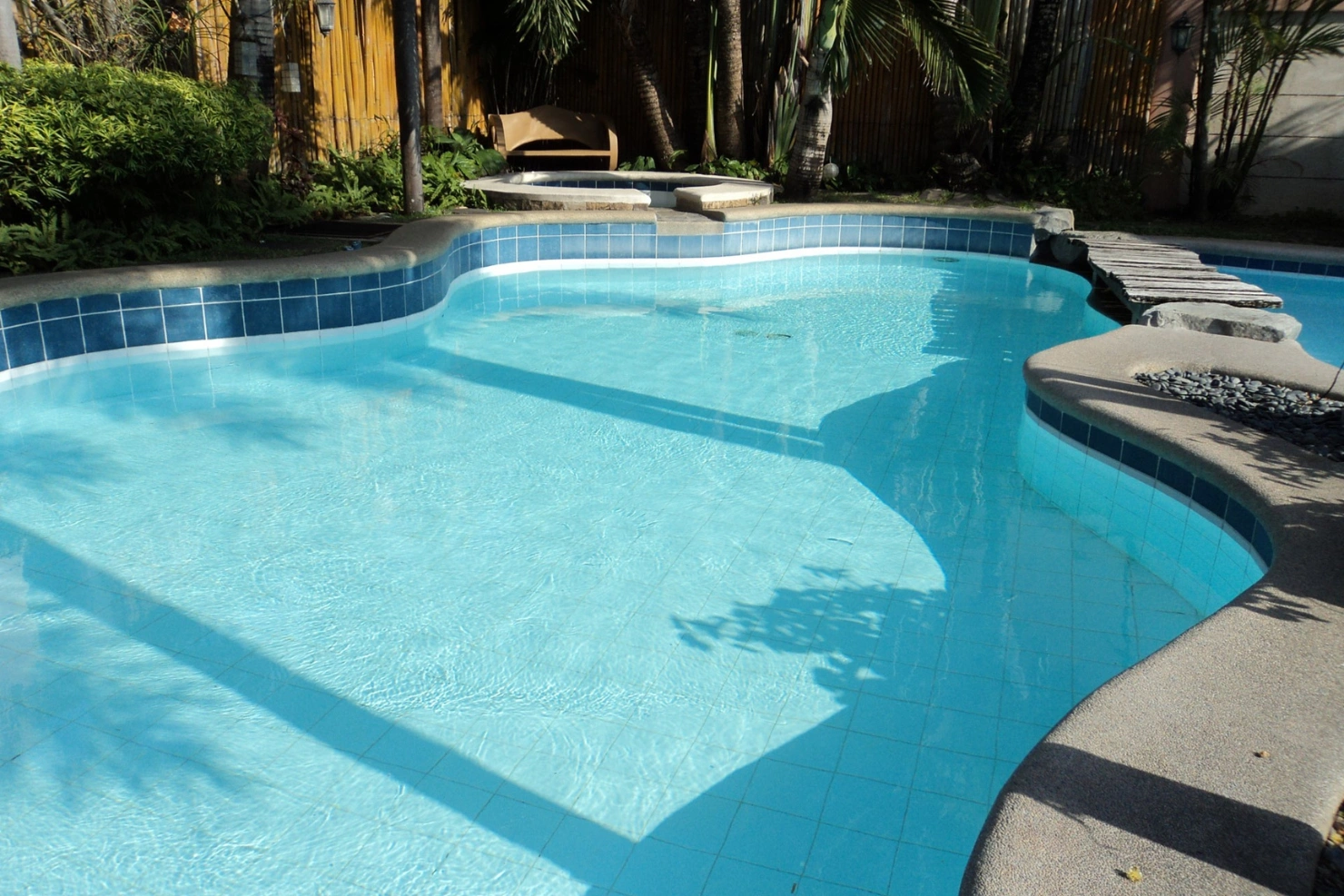
A damp patch after heavy rain or irrigation is usually easy to explain. A wet area that repeatedly appears during dry weather deserves more attention, especially when it is close to the pool, deck, plumbing runs, or equipment pad.
Water escaping below ground can saturate surrounding soil without creating an obvious stream or puddle. Depending on soil type, drainage, and leak size, the moisture may spread away from the actual failure point before becoming visible at the surface.
Homeowners should pay closer attention when wet soil appears alongside unexplained water loss. One symptom does not prove an underground leak, but several related signs can make professional testing worthwhile.
Where Underground Pool Leaks Commonly Develop
Pool circulation systems use buried pipes to move water between the pool and equipment. Leaks can develop in different sections, which is why finding the exact source is important before excavation begins.
Return Line Leaks
Return lines carry filtered water from the equipment back into the pool. A cracked pipe, separated fitting, or damaged joint can allow water to escape underground while the circulation system operates.
Some return-side leaks may become more noticeable when the pump is running because the line is under positive pressure.
Suction Line Leaks
Suction-side plumbing carries water from skimmers and drains toward the pump. A leak on this side can sometimes pull air into the plumbing rather than producing an obvious surface puddle.
Homeowners may notice air bubbles, difficulty maintaining pump prime, or unusual circulation behavior alongside water loss.
Fitting Connection Leaks
Buried elbows, couplings, tees, and other connections can become leak points if a joint fails or movement places stress on the plumbing.
Connections near skimmers, returns, and other penetrations also deserve careful inspection because several materials and fittings meet in these areas.
Signs the Wet Spot May Be Coming From Your Pool
An underground plumbing leak often creates more than one symptom. Looking at the entire pool system can help separate a possible leak from ordinary landscaping or drainage conditions.
Common warning signs include:
- The pool level drops faster than expected.
- You need to add water frequently.
- Soil remains wet despite several dry days.
- One patch of grass stays unusually lush or soft.
- Pavers or decking begin to settle or shift.
- Air repeatedly enters the pump basket.
- The pump struggles to maintain prime.
- Pool chemistry requires more frequent adjustment.
- Moisture becomes more noticeable while equipment runs.
Chemical changes can occur because replacing lost water also removes and dilutes treated pool water. Frequent refilling may therefore increase sanitizer and balancing demands over time.
Underground Leak Versus Normal Drainage Problems
Wet areas around a pool can also come from irrigation, downspouts, poor grading, groundwater, equipment discharge, or recent rainfall. Comparing the timing of the moisture with pool water loss can provide useful clues.
| Observation | Possible Pool Leak | Possible Drainage Issue |
|---|---|---|
| Wet soil persists during dry weather | More suspicious | Less typical |
| Pool level keeps dropping | Common warning sign | Usually unrelated |
| Wetness increases while pump operates | Can occur with pressure-side leaks | Usually unchanged |
| Moisture appears only after rainfall | Less specific | More likely |
| Frequent pool refilling is needed | Stronger clue | Usually unrelated |
| Nearby pavers begin settling | Possible with soil washout | Also possible with drainage problems |
This comparison cannot confirm the source by itself. Professional testing is still needed when symptoms continue or water loss becomes significant.
What Causes Underground Pool Plumbing to Leak
Buried pool pipes are protected from everyday contact, but they are still exposed to ground movement, temperature changes, material aging, and installation stresses.
Ground Movement
Soil naturally expands, settles, and shifts over time. Significant movement can place stress on rigid plumbing lines, fittings, and joints.
If surrounding soil is already unstable or poorly compacted, repeated movement can increase strain around connection points.
Aging Connections
Pool plumbing components and joints can weaken with age. Seals and fittings may deteriorate, while older repairs can also become vulnerable after years of use.
Age alone does not prove that a leak exists, but older systems deserve closer evaluation when water loss suddenly increases.
Freeze Damage
Water trapped inside plumbing can expand when it freezes. In colder conditions, that expansion can crack pipes, fittings, valves, or other components if winterization is incomplete.
Damage may remain unnoticed until the system is reopened and pressurized again.
Installation Problems
Improper pipe support, excessive stress at fittings, poor joint preparation, or plumbing installed under tension can contribute to premature failure.
These problems may not appear immediately. A connection can remain functional for years before movement or repeated pressure cycles expose the weakness.
Why Underground Pool Leaks Can Become Expensive
A hidden leak affects more than the amount of water in the pool. Continued leakage can increase operating costs and potentially affect the ground surrounding the pool structure.
Possible consequences include:
- Higher water consumption from repeated refilling
- Greater chemical use due to dilution and water replacement
- Soil erosion around buried plumbing
- Loss of support beneath pavers or decking
- Settlement in surrounding hardscape
- Pump performance issues caused by suction-side air leaks
- Larger access areas if damage progresses before repair
Water moving through soil can carry fine particles with it. Over time, this process may create voids or reduce support beneath certain surfaces, although the severity depends on soil conditions and leak volume.
What Happens During Professional Pool Leak Detection
Professional leak detection focuses on narrowing the problem before repair work begins. The goal is to determine whether water loss is occurring and identify which part of the system is responsible.
Water Loss Confirmation
Technicians first review the rate and pattern of water loss. This helps determine whether the issue is likely beyond normal evaporation.
Weather, temperature, humidity, wind, splash-out, and pool use can all affect evaporation, so water loss should be evaluated in context.
Plumbing Isolation
Different plumbing lines may be tested separately. Isolating sections makes it easier to determine whether a suction line, return line, or another component is losing pressure or water.
This step prevents unnecessary digging around areas that are functioning properly.
Pressure Testing
Pressure testing is commonly used to evaluate pool plumbing. A controlled test can show whether a line holds pressure or has a failure somewhere along its length.
A pressure drop indicates a problem within the isolated section, but additional locating methods may still be needed to pinpoint the exact location.
Leak Location
Once the affected line is identified, technicians may use listening equipment, tracer methods, inspection techniques, or other specialized tools to narrow the location underground.
Accurate locating can reduce the amount of decking, soil, or landscaping that must be disturbed during repair.
Pro Tip: If you notice recurring wet soil, record your pool’s water level for several days and note whether the damp area changes while the pump is running. These observations can give a leak technician useful clues about whether the problem may involve pressure-side plumbing, suction plumbing, or another source.
Repair Options Depend on the Leak Location
The correct repair depends on the pipe material, location, accessibility, and type of failure. There is no single method that works for every underground pool leak.
A localized repair may involve accessing a damaged fitting or short section of pipe. More extensive damage could require replacing a larger plumbing section if multiple failures or deteriorated materials are found.
After the plumbing is repaired, the line should be tested again before soil, decking, or pavers are fully restored. Confirming the repair first helps avoid reopening the same area.
What Homeowners Should Avoid Doing
Trying to solve a suspected underground leak without confirming its source can create unnecessary work and expense. Some common responses can also hide the problem temporarily.
Avoid:
- Constantly topping off the pool without investigating water loss
- Assuming every wet area comes from sprinklers
- Digging up the yard before the leak location is narrowed
- Ignoring repeated air in the pump basket
- Running equipment that repeatedly loses prime without diagnosis
- Adding extra chemicals simply because readings keep falling
- Waiting for major deck movement before scheduling testing
A consistent pattern of water loss is usually more useful than a single observation. Documenting changes can help professionals troubleshoot the system more efficiently.
When to Schedule Pool Leak Detection
Professional leak detection becomes a practical next step when unexplained water loss continues, wet areas persist during dry weather, or the circulation system begins showing signs of air intrusion or pressure problems.
It is also worth investigating when frequent refilling has become part of your routine. A pool should not require constant water replacement simply to maintain its normal operating level.
Early testing can help limit wasted water and may reduce unnecessary disruption by identifying the affected area before repair work begins.
Protect Your Pool Before a Hidden Leak Gets Worse
Persistent wet spots should not be dismissed when they appear alongside falling water levels or circulation problems. The visible moisture may be the first surface clue that water is escaping somewhere below ground.
HQ Pool Services provides pool leak detection and repair for homeowners throughout Maryland, Virginia, and the DC Metro area. If unexplained water loss continues, professional testing can help identify the source and determine the right repair before the problem becomes more disruptive.