When Should You Schedule Pool Closing Service?
Closing your pool at the right time can make a big difference in how well it survives the winter. If you close too early, warm weather can encourage algae growth under the cover. If you wait too long, freezing temperatures can put your plumbing, pump, filter, heater, and other equipment at risk.
A professional pool closing service gives your pool the protection it needs before cold weather settles in. It also helps make spring opening easier because the pool is cleaned, balanced, covered, and properly winterized before months of inactivity. For homeowners in the DC Metro area, Maryland, and Northern Virginia, timing matters because fall weather can shift quickly.
“So, when should you schedule pool closing service?”
The best time is usually when regular swimming has ended, temperatures are consistently cooling, and there is still enough time to winterize the pool before the first freeze.
Key Takeaways
- Schedule before freezing temperatures arrive.
- Close after regular swimming ends.
- Proper timing prevents costly repairs.
- Winterization protects equipment and plumbing.
- Early booking avoids seasonal delays.
Why Pool Closing Timing Matters
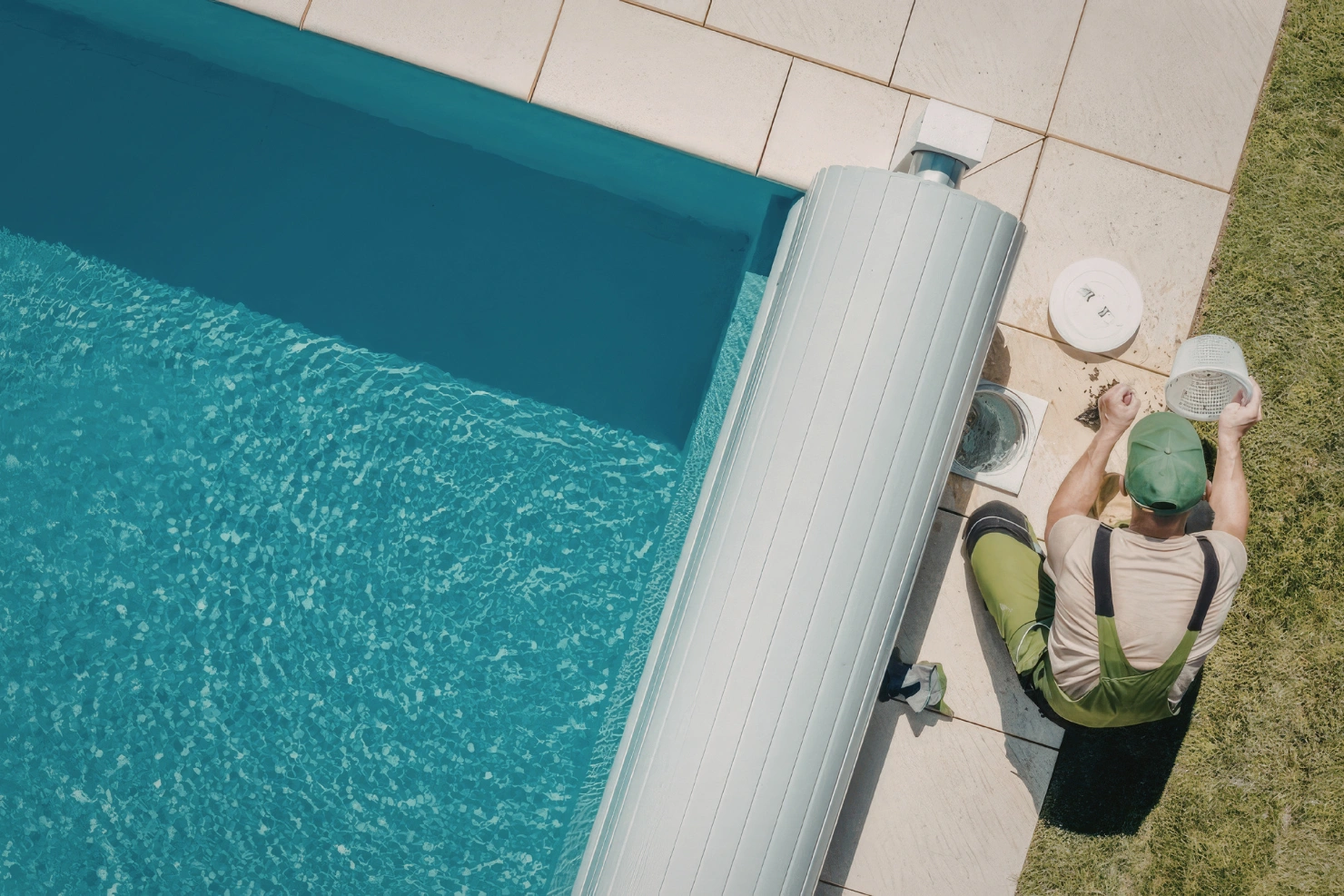
Pool closing is not just about putting a cover over the water. A proper closing helps protect the entire pool system from cold weather, debris, water imbalance, and freeze-related damage.
When a pool is closed correctly, the water is cleaned and treated, equipment is prepared, plumbing lines are protected, and the cover is secured. These steps help prevent problems that could become expensive by spring.
Good timing matters because pool water and equipment respond to temperature changes. If the pool stays open too long into cold weather, plumbing lines and equipment can become vulnerable. If it closes while the weather is still too warm, the water may be more likely to develop algae or chemical imbalance under the cover.
Professional pool closing helps:
- Protect pumps, filters, heaters, and plumbing lines
- Reduce the risk of freeze damage
- Keep leaves and debris out of the pool
- Prevent water stains, scaling, and corrosion
- Make spring pool opening smoother
- Limit off-season maintenance problems
Scheduling at the right time gives your pool the best chance to stay protected throughout winter.
The Best Time To Schedule Pool Closing Service
The best time to schedule pool closing service is when swimming season is ending and outdoor temperatures are consistently dropping. For many homeowners, this happens in early to mid-fall, depending on the weather and how long the pool is used.
In the DC Metro area, Maryland, and Northern Virginia, many pool owners start thinking about closing service before colder nights become common. Waiting until the last minute can create problems, especially if service schedules fill up or the first cold snap arrives earlier than expected.
The goal is not to close based only on a date. The better approach is to look at pool usage, nighttime temperatures, falling leaves, and upcoming weather patterns.
A good rule is to schedule closing once:
- Your family is no longer swimming regularly
- Temperatures are cooling consistently
- Leaves and debris are increasing
- You want the pool protected before fall storms
- Freezing weather is still far enough away to prepare properly
This gives HqPools enough time to clean, balance, winterize, and secure your pool without rushing the process.
Watch The Weather, Not Just The Calendar
The calendar can help you plan, but weather should guide the final decision. Some years stay warm longer, while others bring early cold snaps. That is why pool closing should be based on actual conditions around your home.
A pool that is still exposed during sudden freezing weather can face preventable risks. At the same time, closing too early while the water is still warm may create water quality issues under the cover.
Consistent Cool Temperatures
Pool closing is usually best when temperatures are staying cooler and regular swimming is no longer practical. Cooler water slows algae growth and makes it easier for winter chemicals to remain effective.
If daytime temperatures are still warm and the pool is exposed to sunlight, closing too early may trap warm water under the cover. This can make algae more likely, especially if the chemistry is not carefully balanced before closing.
Before Freezing Weather
The most important deadline is before freezing temperatures can affect the pool system. Water left in lines, pumps, heaters, filters, or other equipment can expand when frozen. That expansion can crack parts, damage plumbing, and lead to expensive repairs.
Professional winterization helps prevent this by preparing equipment and plumbing lines before freezing conditions arrive.
After Heavy Pool Use Ends
Some homeowners use their pool later into the season, especially during warm fall days. That is fine, but the closing should still be scheduled early enough to avoid last-minute issues.
Once the pool is no longer being used often, it is usually smarter to close it properly than to keep maintaining it through falling leaves, storms, and colder nights.
Signs It Is Time To Close Your Pool
There are clear signs that your pool is ready for closing. Paying attention to these signs helps you avoid closing too early or waiting until conditions become risky.
You should consider scheduling pool closing service when your pool is no longer part of your regular outdoor routine. If the water is too cold for comfortable swimming, the cover is still off, and leaves are starting to collect, it may be time to act.
Common signs include:
- The pool is no longer being used regularly
- Nighttime temperatures are dropping
- Leaves, sticks, and debris are landing in the pool
- Water is becoming harder to keep clean
- Pool maintenance is taking more time than usual
- Fall storms are starting to affect the yard
- You want the pool covered before cold weather arrives
- You need time to address small equipment concerns before winter
These signs are especially important in areas with changing fall weather. A pool can go from easy to maintain to difficult very quickly once leaves begin falling and temperatures shift.
What Happens If You Close Your Pool Too Early?
Closing your pool too early may seem like the safest option, but it can create problems if the weather is still warm. Pool water that remains warm under a cover can support algae growth, especially if the chemistry is not properly balanced.
When a pool is closed while temperatures are still high, the water may need extra attention before winter fully arrives. This can make the spring opening more difficult if algae, staining, or cloudy water develops under the cover.
Possible issues from closing too early include:
- Algae growth under the cover
- Chemicals becoming less effective before winter ends
- Cloudy or unbalanced water
- More cleanup needed in spring
- Lost swim time during late warm weather
This does not mean you should wait too long. It means the timing should be balanced. The best pool closing schedule protects the pool before freezing weather while avoiding unnecessary early closure during warm conditions.
What Happens If You Close Your Pool Too Late?
Waiting too long can be a bigger problem than closing too early. Once temperatures drop close to freezing, pool equipment and plumbing become more vulnerable. If water remains in the wrong places, it can freeze, expand, and damage parts of the system.
Late closing can also make the pool harder to clean. Leaves, dirt, and organic debris can build up quickly in fall. If debris sits in the water too long, it can affect chemistry, stain surfaces, and create more work before the cover is installed.
Delaying pool closing can lead to:
- Frozen or damaged plumbing lines
- Cracked fittings or equipment parts
- Stressed pumps, filters, or heaters
- More leaves and debris in the water
- Harder water balancing
- Limited appointment availability
- More expensive spring cleanup
A late pool closing can turn a simple seasonal service into a repair situation. Scheduling early helps prevent that.
Pool Closing Timeline For Homeowners
A simple timeline can help you plan ahead without guessing. The exact timing depends on your pool, your schedule, and local weather, but this guide gives homeowners a practical way to think about closing season.
| Timeframe | What Homeowners Should Do | Why It Matters |
|---|---|---|
| Late Summer | Start thinking about your closing schedule and review pool condition | Gives you time to plan before service appointments fill up |
| Early Fall | Watch temperatures, pool usage, and leaf buildup | Helps you choose the right closing window |
| Before First Freeze | Schedule professional winterization and equipment protection | Reduces the risk of freeze damage to plumbing and equipment |
| Closing Day | Make sure the pool area is accessible and removable items are ready | Helps the service go smoothly and efficiently |
| After Closing | Follow the winter care plan and check the cover after storms | Keeps the pool protected during the off-season |
This timeline is useful because pool closing is not something to leave until the first cold night. Planning ahead gives your pool better protection and gives you more control over the schedule.
What Professional Pool Closing Service Includes
Professional pool closing service prepares the pool, equipment, plumbing, and cover for winter. At HqPools, the goal is to protect your pool during the off-season and help you avoid preventable problems when it is time to reopen.
Every pool is different, so the exact process may depend on the pool type, equipment setup, cover style, and overall condition. However, a complete closing service usually includes several important steps.
Professional pool closing may include:
- Skimming and brushing the pool to remove leaves and debris
- Balancing water chemistry to help prevent corrosion, stains, and scaling
- Lowering the water level if needed for winter protection
- Draining and storing removable equipment such as ladders, handrails, and accessories
- Winterizing pumps, filters, heaters, and plumbing lines
- Installing winter plugs and protective devices
- Securing the winter cover
- Checking cover fit and safety features
- Providing a winter care plan for the off-season
These steps are important because winter weather can be hard on pools. Water chemistry, trapped debris, unsecured covers, and frozen plumbing can all create problems if the pool is not properly prepared.
Why Scheduling Early Helps
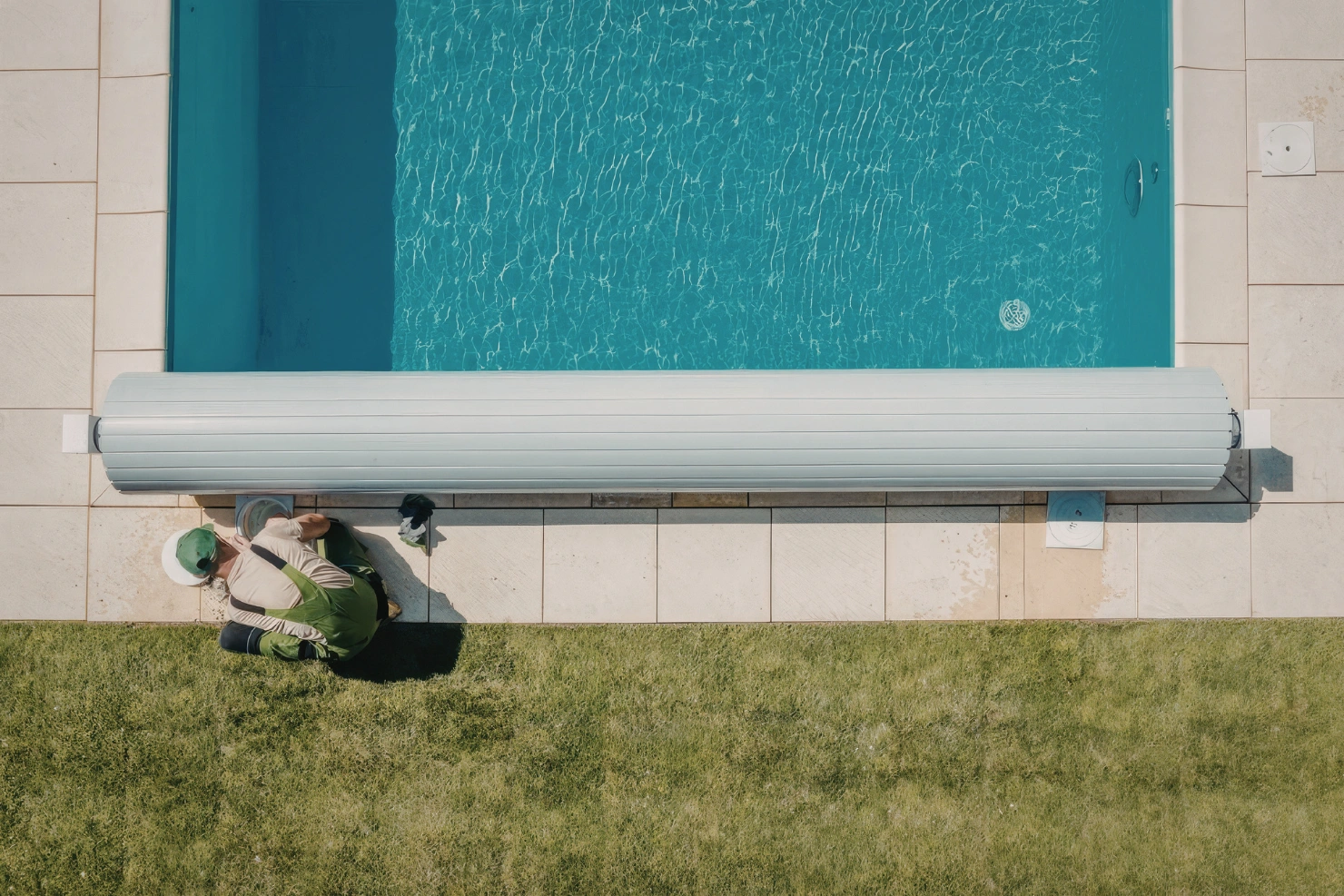
Scheduling pool closing early does not mean closing your pool too early. It means reserving your service before the busy season becomes crowded and before cold weather creates urgency.
Many homeowners wait until temperatures drop sharply before thinking about pool closing. By then, appointment times may be limited, leaves may already be collecting, and the pool may need extra cleaning before it can be closed.
Scheduling early helps because it gives you:
- More flexible appointment options
- Time to prepare the pool area
- Less stress before cold weather
- Better protection before freezing temperatures
- Time to fix small concerns before winter
- A smoother closing process
Early scheduling is especially helpful if your pool has a heater, complex plumbing, attached spa, water features, or older equipment. These systems may need more careful winterization.
Pool Closing Tips For DC Metro, Maryland, And Northern Virginia Homes
Homeowners in the DC Metro area, Maryland, and Northern Virginia should pay close attention to seasonal changes. Fall weather in this region can be unpredictable, with warm afternoons, cool nights, rain, wind, and sudden temperature drops.
That mix can make pool closing timing more important. Leaves can build up quickly, storms can affect cover installation, and freezing nights can arrive before homeowners expect them.
Helpful tips for local homeowners include:
- Schedule before the first major cold snap
- Do not wait until leaves are already overwhelming the pool
- Keep the pool clean while waiting for the closing appointment
- Watch nighttime temperatures, not just daytime warmth
- Make sure equipment and pool access are clear
- Address visible issues before closing day
- Check the cover after strong wind or heavy rain
Local conditions matter because winterization is not just about the pool water. It is also about protecting pipes, pumps, filters, heaters, and accessories from months of cold weather and inactivity.
Pro Tip: Schedule your pool closing service before the first major cold snap, not after freezing weather is already in the forecast. This gives you better appointment options and gives your pool enough time to be cleaned, balanced, winterized, and covered properly.
Final Thoughts
The best time to schedule pool closing service is when swimming season is ending, temperatures are consistently cooling, and freezing weather has not arrived yet. For most homeowners, the goal is to close the pool late enough to avoid warm-weather algae problems but early enough to protect the system from winter damage.
A properly timed pool closing helps protect your pool structure, water, plumbing, pump, filter, heater, and cover. It also makes spring opening easier because your pool has been cared for before the off-season begins.
HqPools provides professional pool closing and winterization services for homeowners who want reliable protection through the colder months. If your pool is no longer being used and fall weather is setting in, now is the right time to plan your closing service.