Why Spring Pool Opening Prevents Summer Pool Problems
Spring pool opening is one of the most important steps in preparing your swimming pool for a clean, safe, and enjoyable summer. After sitting unused through winter, your pool needs more than a quick cover removal and pump restart. Water chemistry may be off balance, debris may be trapped under the cover, and equipment may need careful inspection before regular use begins
“So, how does a proper spring pool opening help prevent bigger summer pool problems?”
It gives your pool the right start before heat, heavy use, and long swimming days put more pressure on the water and equipment. When the pool is opened correctly, homeowners can reduce the risk of algae, cloudy water, leaks, poor circulation, and unnecessary equipment strain.
For homeowners in the DC Metro area, Maryland, and Northern Virginia, Hqpool Services provides professional pool opening service designed to get pools summer-ready with a clear, careful process.
Key Takeaways
- Spring opening prevents major summer problems.
- Early service helps stop algae growth.
- Proper testing keeps pool water balanced.
- Equipment checks prevent costly seasonal issues.
- Professional openings create smoother swimming seasons.
What Spring Pool Opening Really Means
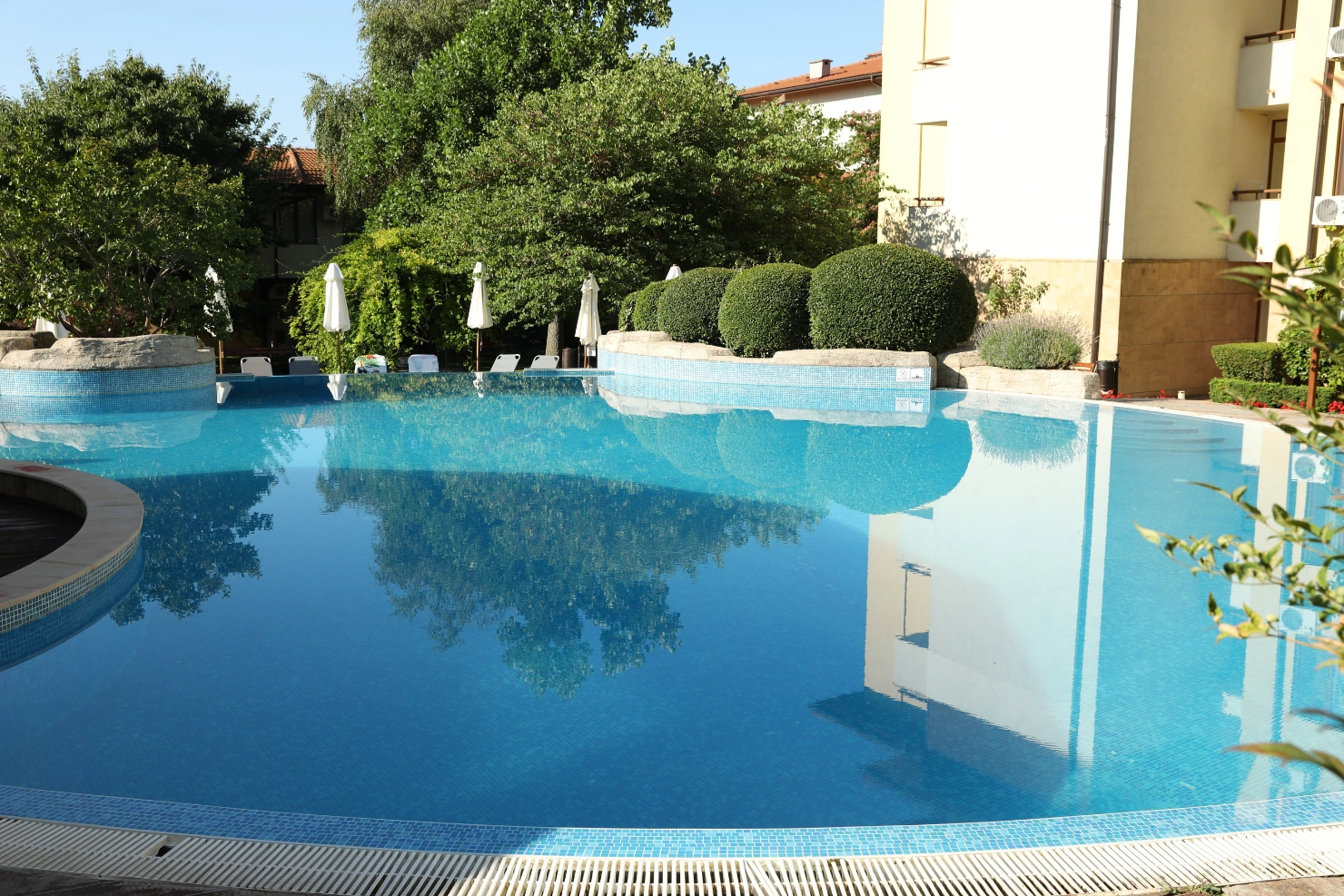
Spring pool opening is the process of bringing your pool back into working condition after winter closing. It involves removing winter protection, restarting the circulation system, cleaning visible debris, and helping the water reach proper balance.
A complete pool opening usually includes:
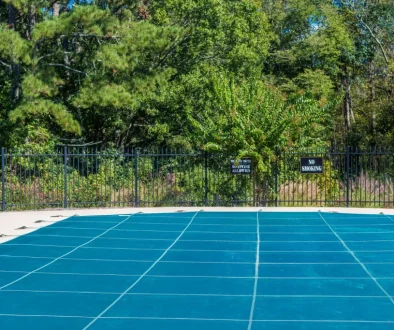
- Removing the winter cover after clearing debris and standing water
- Taking out winter plugs, gizmos, and protective devices
- Reinstalling ladders, handrails, skimmer baskets, and return fittings
- Reconnecting and starting the pump, filter, and related equipment
- Checking for leaks, proper flow, and normal system pressure
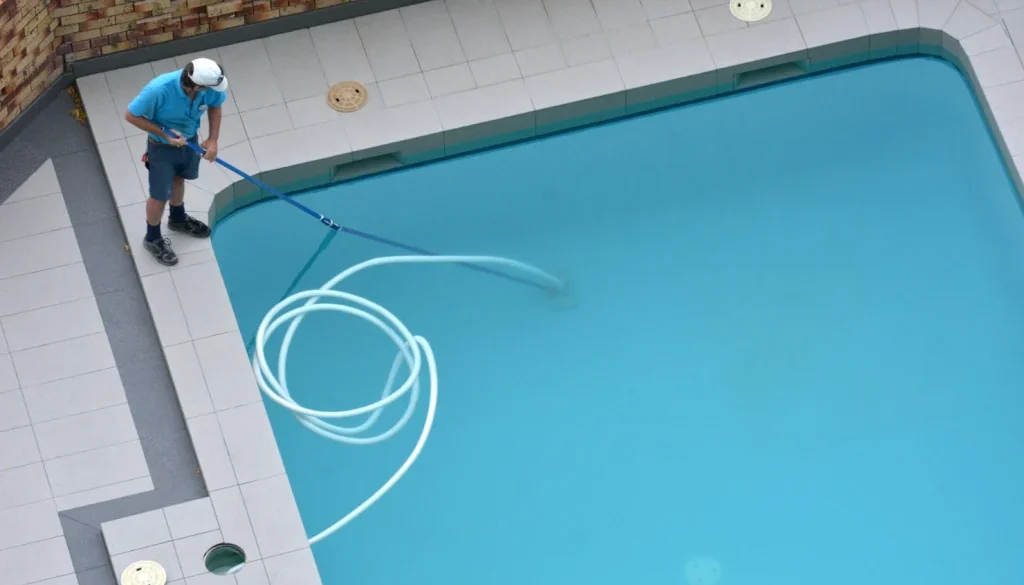
- Skimming and brushing the pool to remove debris
- Testing the water and adding startup chemicals as needed
This process matters because winter conditions can affect both the pool water and the equipment. Even if the pool looks fine from the surface, there may be hidden issues that only become obvious once the system is running again.
Why Timing Matters For Pool Opening
Opening your pool at the right time in spring can make a big difference in how smoothly your summer season begins. Waiting too long can allow problems to build before the pool is even being used.
As temperatures rise, pool water becomes more vulnerable to algae growth, especially if the sanitizer level is low and circulation has not restarted. Debris under the cover can also break down in the water, increasing the demand for chemicals and filtration.
A timely spring opening helps by:
- Restoring circulation before hot weather arrives
- Giving the filter system time to start cleaning the water
- Allowing chemical levels to be tested and corrected early
- Giving homeowners time to address leaks or equipment issues
- Reducing the chance of a rushed opening before the first pool party
In areas like Maryland, Northern Virginia, and the Washington DC Metro area, spring weather can shift quickly. A pool that seems fine in early spring can become cloudy or green once warmer days arrive.
How Spring Opening Helps Prevent Algae Growth
Algae is one of the most common pool problems homeowners face in summer. It can make water look green, dull, or slippery, and it often becomes harder to control once it spreads.
Stagnant Water
During winter, the pool water usually sits still for months. Without regular circulation, filtration, and sanitizer maintenance, debris and organic material can collect in the water. Once the weather warms up, those conditions can support algae growth.
Spring opening restarts water movement. When the pump and filter are working properly, water can circulate through the system and debris can begin to be removed.
Low Sanitizer
Chlorine and other sanitizers do not stay at strong levels forever. After winter, sanitizer levels are often too low to protect the water properly. Testing the water during opening helps determine what chemicals are needed to bring the pool closer to safe and stable swimming conditions.
Surface Cleaning
Brushing and skimming are also important. Leaves, dirt, pollen, and other debris can feed algae and make the pool harder to clean. Removing debris early gives the water a better chance of clearing before summer use begins.
How Proper Water Testing Prevents Cloudy Pool Water
Water chemistry can change while a pool is closed. Rainwater, melted snow, debris, and lack of circulation can all affect the balance of the water. That is why testing is an important part of pool opening.
Cloudy water is often connected to poor filtration, low sanitizer, high pH, imbalanced alkalinity, or debris in the pool. If these issues are ignored in spring, they can become more frustrating during summer.
Important water levels to check include:
- pH
- Total alkalinity
- Chlorine or sanitizer level
- Calcium hardness
- Stabilizer level when applicable
Balanced water helps protect swimmers, pool surfaces, and equipment. If the water is too acidic, it can be harsh on pool components. If it is too basic, it can contribute to scaling and cloudy water. Proper testing gives homeowners a clearer picture of what the pool needs before regular swimming begins.
Why Equipment Checks Matter Before Summer Use

Pool equipment does a lot of work during the swimming season. The pump, filter, valves, fittings, and connections all need to function properly to keep water moving and clean.
Pump Startup
The pool pump should be restarted carefully after sitting unused through winter. A proper startup helps confirm that the pump is priming, water is moving, and the system is not making unusual noises.
If a pump struggles at startup, runs dry, or has weak suction, it may point to a problem that should be addressed before summer use increases.
Filter Performance
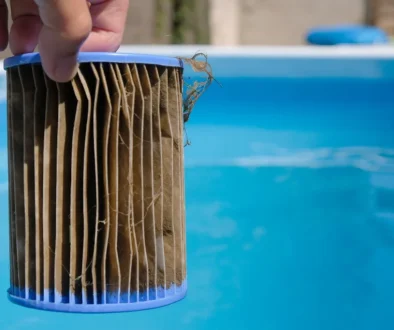
The filter plays a major role in water clarity. During opening, filter pressure and flow should be checked. Pressure that is too high or too low can indicate a clog, dirty filter, air leak, valve issue, or circulation problem.
A filter that is not working properly can lead to cloudy water, poor chemical distribution, and more debris staying in the pool.
Leaks And Connections
Winter conditions can affect fittings, plugs, unions, seals, and equipment connections. Even a small leak can become a bigger issue over time. Checking visible connections during spring opening helps catch warning signs before the pool is used daily.
Common Summer Pool Problems That Start In Spring
Many summer pool problems begin before summer officially arrives. A delayed or incomplete opening can allow small issues to grow into larger headaches.
Here is how spring conditions can lead to summer problems:
| Spring Issue | Possible Summer Problem | Why It Matters |
|---|---|---|
| Delayed pool opening | Algae growth and cloudy water | Warmer water and low sanitizer can allow algae to spread |
| Poor water balance | Scaling, staining, or swimmer discomfort | Incorrect chemistry can affect surfaces, equipment, and water feel |
| Weak circulation | Debris buildup and poor filtration | Water needs proper movement to stay clean and evenly treated |
| Hidden equipment leaks | Water loss and equipment strain | Small leaks may worsen once the system runs regularly |
| Dirty pool surfaces | Higher chemical demand | Organic debris can make sanitizer work harder |
| Improper startup | Pump or filter problems | Equipment should be checked before heavy summer use |
This is why pool opening should not be treated as a simple seasonal task. It is the foundation for the entire swimming season.
Why DIY Pool Opening Can Miss Important Warning Signs
Some homeowners can handle basic pool tasks, but spring opening can involve details that are easy to overlook. A pool may look ready on the surface while the equipment or water chemistry still needs attention.
Common issues that may be missed during DIY opening include:
- Weak return flow
- Small leaks around equipment
- High or low filter pressure
- Air entering the pump system
- Debris hidden under the cover
- Missing or damaged fittings
- Improper chemical startup
- Unusual pump or motor sounds
DIY opening can also become more difficult if the pool has heavy debris, cloudy water, or equipment that does not start correctly. When these problems are not handled early, they can lead to more cleaning, more chemicals, and more frustration later.
The Benefits Of Professional Pool Opening Service
Professional pool opening service gives homeowners a more reliable start to the season. Instead of guessing what the pool needs, a trained team follows a careful process to inspect, restart, clean, and prepare the pool.
With Hqpool Services, homeowners can expect a clear and practical approach. Every pool opens a little differently, especially after winter. If something does not look right, the issue can be explained clearly so the homeowner knows what to expect next.
Professional pool opening can help with:
- Safer equipment startup
- Better water testing and chemical guidance
- Early detection of leaks or circulation problems
- Cleaner pool conditions after winter
- Reduced risk of early season algae
- Less stress before summer swimming begins
It also saves time. Instead of spending the first warm weekends trying to troubleshoot cloudy water or equipment issues, homeowners can focus on getting ready to enjoy the pool.
When To Schedule Spring Pool Opening In The DC Metro Area
In the Washington DC Metro area, Maryland, and Northern Virginia, pool opening is usually best scheduled in spring once freezing temperatures are no longer a concern. The exact timing can depend on weather, pool type, tree coverage, and how early the homeowner wants to begin using the pool.
Opening earlier in the season gives the water time to circulate, clear, and balance before heavy use. It also gives homeowners more flexibility if repairs, replacement parts, or extra cleaning are needed.
Waiting until the first hot weekend can create problems. Service schedules may be busier, algae may already be growing, and the pool may need more time to become clear and comfortable.
Pro Tip: Schedule your pool opening before peak summer demand. A pool may need several days of circulation, filtration, and chemical adjustment after opening before it looks and feels fully ready for swimming.
How HqPool Services Helps Start The Season Right
A good pool opening is not just about making the pool look better for a day. It is about setting the pool up for easier care throughout the season.
Hqpool Services proudly serves homeowners across the DC Metro area, Maryland, and Northern Virginia with professional pool opening service. The goal is to help bring your pool back online carefully after winter so you can enjoy a smoother, cleaner, and more worry-free summer.
Our process focuses on the most important parts of spring activation: removing winter protection, restarting circulation, checking visible equipment, cleaning debris, testing the water, and helping the pool move toward proper balance.
Because every pool is different, we also pay attention to signs that may need further review. If there are leaks, unusual pressure readings, weak flow, or visible concerns, we explain what we see clearly.
Final Thoughts
Spring pool opening plays a major role in preventing summer pool problems. When the pool is opened properly, circulation starts sooner, water chemistry can be corrected, debris can be removed, and equipment can be checked before the busiest part of the season.
A careful opening can help reduce the risk of algae, cloudy water, leaks, poor filtration, and equipment strain. It also gives homeowners more confidence that their pool is ready for the warm months ahead.
For homeowners in the DC Metro area, Maryland, and Northern Virginia, Hqpool Services is ready to help make spring pool opening simple, professional, and reliable. Request a quote today and get your pool summer ready with expert service.